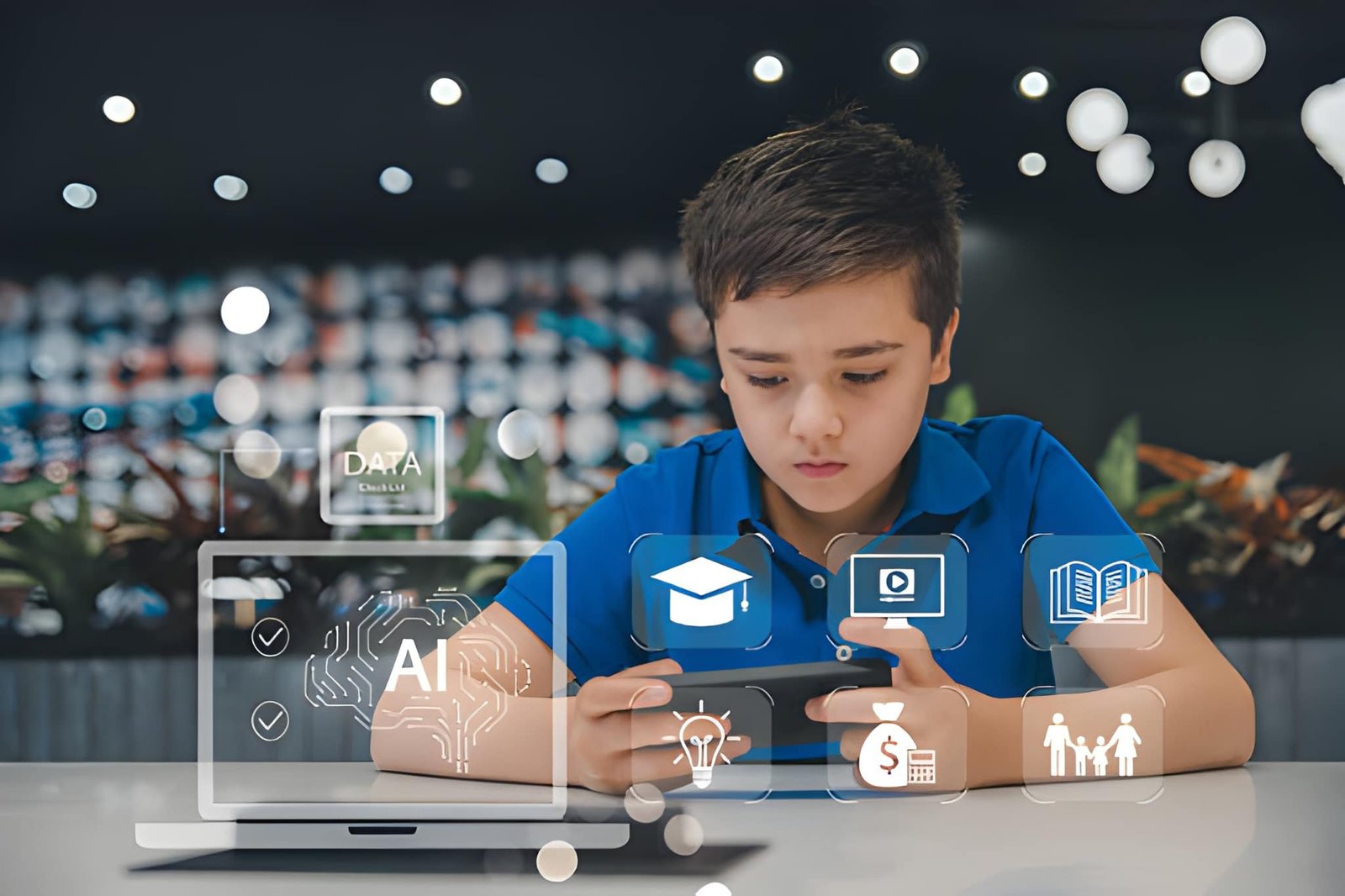
Technology has become a central part of education. Students use computers, tablets, smartphones, and online learning platforms every day. Artificial intelligence (AI) is also changing how students learn and how teachers deliver lessons.
As education evolves, schools must prepare students for a world where digital tools and AI are part of everyday life. Teaching digital and AI literacy is no longer optional. It is an essential part of helping students succeed in school, future careers, and everyday life.
By building these skills early, schools can create confident learners who are ready to thrive in a technology-driven society.
What Is Digital Literacy?
Digital literacy is the ability to use technology effectively, safely, and responsibly.
It includes much more than knowing how to operate a device. Students also need to understand how to search for reliable information, communicate online, protect their privacy, and evaluate digital content.
Digital literacy helps students become informed users of technology rather than passive consumers of information.
These skills are valuable in every subject and every stage of life.
Understanding AI Literacy
Artificial intelligence is becoming increasingly common in education.
Students already use AI-powered search tools, educational apps, writing assistants, and adaptive learning platforms. While these technologies offer many benefits, students should understand how AI works and how to use it responsibly.
AI literacy teaches students to:
- Understand how AI generates information
- Recognize the strengths and limitations of AI
- Verify AI-generated content
- Use AI ethically
- Think critically instead of relying only on technology
These skills help students become responsible users of artificial intelligence.
Preparing Students for the Future
The workplace is changing rapidly.
Many careers now require digital skills and an understanding of technology. Industries such as healthcare, engineering, finance, education, marketing, and manufacturing all use artificial intelligence to improve productivity.
Students who understand digital tools and AI will have more opportunities in higher education and future careers.
Schools should prepare learners by developing skills such as:
- Critical thinking
- Problem-solving
- Communication
- Collaboration
- Creativity
- Digital responsibility
These abilities remain valuable regardless of how technology continues to evolve.
Improving Critical Thinking
Artificial intelligence can answer questions quickly. However, students should not assume every answer is correct.
Schools should teach learners how to evaluate information carefully.
Students should ask questions like:
- Is this information accurate?
- Can I verify the source?
- Does another viewpoint exist?
- Is the content current and reliable?
Critical thinking allows students to make informed decisions rather than simply accepting automated responses.
This skill remains one of the most important abilities students can develop.
Supporting Personalized Learning
Every student learns differently.
Some students understand concepts quickly, while others benefit from additional explanations and practice.
AI-powered learning platforms can personalize lessons based on each student’s progress.
For example, students struggling with mathematics may receive extra exercises, while advanced learners can move ahead with more challenging material.
This personalized approach helps students stay motivated and confident throughout their learning journey.
It also allows teachers to provide more targeted support.
Helping Teachers Improve Learning
Digital and AI literacy benefit teachers as well.
Modern educational technology can automate routine tasks, including grading quizzes, tracking progress, and organizing classroom data.
By reducing administrative work, teachers have more time to focus on meaningful instruction and student engagement.
AI-powered insights also help educators identify learning gaps early, making it easier to provide timely support.
Technology should strengthen teaching rather than replace educators.
The teacher’s role remains essential in guiding, motivating, and inspiring students.
Encouraging Responsible Technology Use
Teaching students how to use technology responsibly is just as important as teaching technical skills.
Schools should discuss topics such as:
- Online privacy
- Cybersecurity
- Digital citizenship
- Academic honesty
- Responsible AI use
Students should understand that AI is a learning tool, not a substitute for independent thinking or creativity.
Responsible technology habits help students become trustworthy digital citizens.
Building Strong School and Family Partnerships
Parents also play an important role in digital education.
Schools should encourage families to understand the technologies students use and support responsible learning at home.
Parents can help by:
- Encouraging healthy screen habits
- Discussing online safety
- Supporting homework and research
- Communicating regularly with teachers
When schools and families work together, students receive consistent guidance and stronger educational support.
Creating Lifelong Learners
Digital and AI literacy are not only about today’s classrooms.
These skills prepare students to adapt to future technologies, solve new challenges, and continue learning throughout their lives.
Students who understand technology become more confident when exploring new ideas and embracing innovation.
Lifelong learning is one of the greatest advantages schools can provide.
Looking Ahead
Artificial intelligence will continue shaping education for many years.
Future classrooms may include more intelligent tutoring systems, adaptive learning platforms, and personalized educational experiences.
However, successful education will always depend on people.
Teachers, parents, and communities remain essential in helping students develop character, empathy, creativity, and communication skills.
Technology should support these qualities rather than replace them.
Digital and AI literacy have become essential skills for modern students.
By teaching students how to use technology safely, think critically, evaluate information, and use artificial intelligence responsibly, schools prepare learners for academic success and future careers.
These skills also help students become responsible digital citizens who can confidently navigate an increasingly connected world.
As education continues to evolve, schools that embrace digital and AI literacy will give students the knowledge, confidence, and adaptability they need to succeed both inside and outside the classroom.