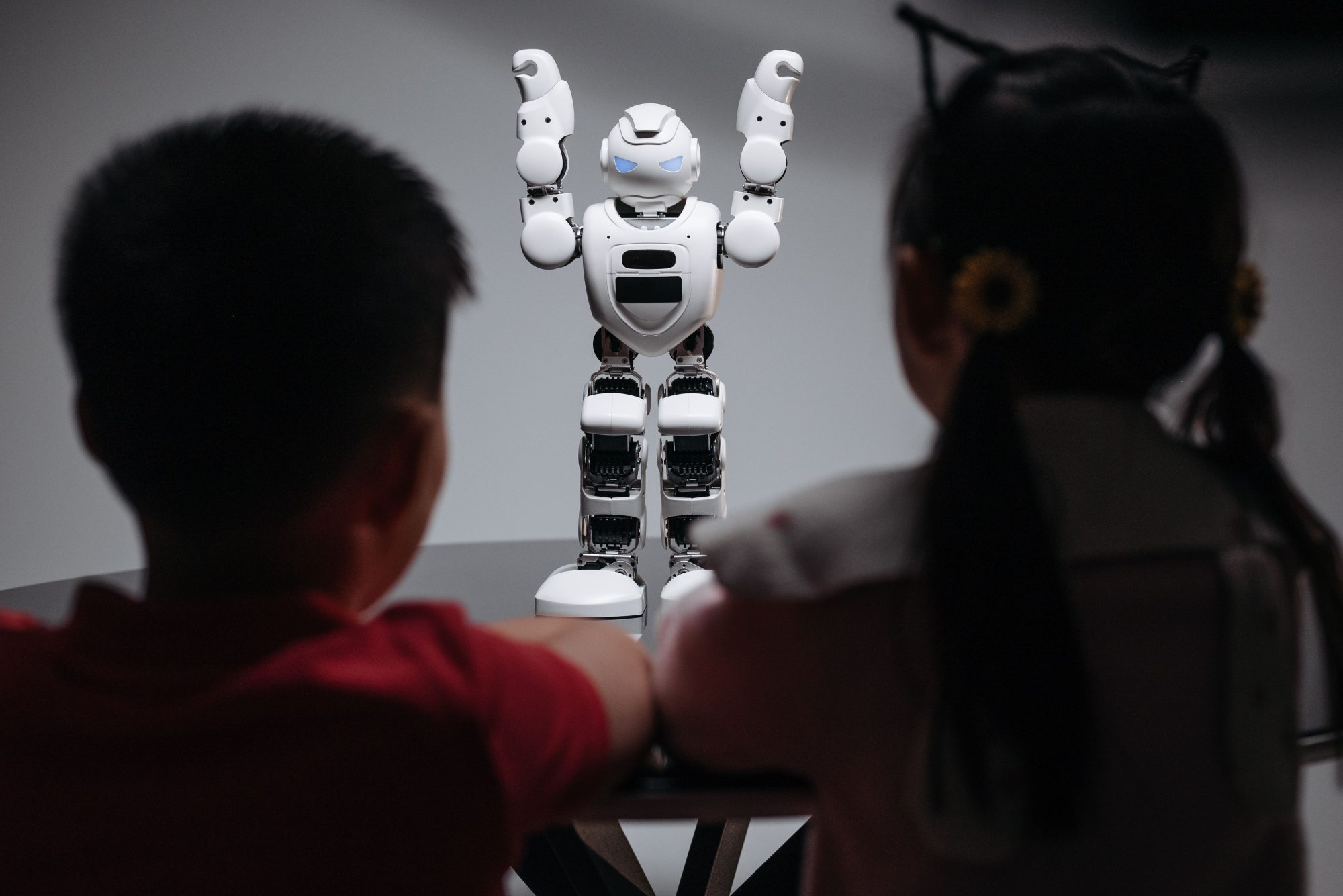
Artificial intelligence is changing the way people learn, teach, and share information. Modern educational institutions are exploring new technologies to improve classroom experiences, support teachers, and provide students with more flexible learning opportunities.
As digital innovation continues to grow, artificial intelligence (AI) is becoming an important part of educational development. Christopher Bressi Explores the Impact of AI on Modern Education examines how intelligent technology can support student engagement, improve teaching methods, and create opportunities for educational progress.
The ideas associated with Christopher Bressi and Chris Bressi highlight the importance of using technology thoughtfully while keeping students and educators at the center of the learning experience.
Understanding Artificial Intelligence in Education
Artificial intelligence refers to technology that can perform tasks that usually require human intelligence. These tasks include recognizing patterns, processing information, generating content, and answering questions.
In education, AI-powered tools can support several activities. For example, students can use digital learning assistants to explore difficult subjects. Teachers can use technology to organize educational resources and identify areas where students may need additional support.
AI applications in education include:
- Personalized learning platforms.
- Intelligent tutoring systems.
- Automated feedback tools.
- Language learning applications.
- Digital research assistants.
- Educational content creation tools.
These technologies can provide additional learning opportunities when used responsibly.
Christopher Bressi and the Future of Digital Learning
Digital learning continues to evolve as new technologies become available. Artificial intelligence offers opportunities to make educational experiences more flexible and responsive to individual needs.
The approach associated with Christopher Bressi emphasizes the importance of exploring useful technology while maintaining clear educational objectives.
AI can help educators create different learning activities, provide additional explanations, and organize educational materials. It can also help students explore subjects at their own pace.
However, technology should support traditional teaching methods rather than replace the important role of educators.
Personalized Learning Experiences
Every student learns differently. Some students understand new concepts quickly, while others benefit from additional explanations and practice.
AI-powered learning platforms can help provide more personalized educational experiences. These systems may adjust activities based on student responses and learning progress.
For example, a student who struggles with mathematics may receive additional practice questions. Another student who understands a topic quickly may explore more advanced material.
Personalized learning can help students:
- Develop stronger subject knowledge.
- Identify learning gaps.
- Practice challenging concepts.
- Improve confidence.
- Progress at a suitable pace.
This flexibility can make learning more engaging and accessible.
Supporting Teachers With AI Tools
Teachers manage many responsibilities, including lesson preparation, classroom activities, student assessments, and communication with families.
AI can help reduce some routine tasks. For instance, educators can use AI tools to create lesson outlines, generate practice questions, organize learning materials, and develop classroom activities.
This can give teachers more time to focus on student development and individual guidance.
However, teachers must review AI-generated information before using it. Human experience and professional judgment remain essential to effective education.
Improving Student Engagement
Keeping students interested in learning is an important goal for every educational institution.
AI-powered applications can introduce interactive exercises, educational games, virtual assistants, and personalized activities. These tools can make certain subjects easier to explore.
For example, language learners can practice conversations with AI assistants. Science students can explore complex concepts through digital simulations. Mathematics students can receive additional explanations when they encounter difficult problems.
These experiences can encourage curiosity and active participation.
Chris Bressi on Responsible AI Adoption
While artificial intelligence offers many benefits, educational institutions must understand its limitations.
AI systems can sometimes generate inaccurate information, produce biased results, or provide answers without sufficient context. Students may also become too dependent on automated assistance.
The ideas associated with Chris Bressi emphasize the importance of balancing technological progress with responsible decision-making.
Schools and universities should establish clear guidelines covering:
- Appropriate AI usage.
- Student data protection.
- Academic honesty.
- Information accuracy.
- Responsible technology adoption.
- Human supervision.
According to UNESCO’s guidance on artificial intelligence in education, AI adoption should promote inclusion, equity, and human-centered learning. UNESCO+1
Protecting Academic Integrity
One important concern is academic honesty.
Students can use AI to generate essays, complete assignments, or answer questions. Although these tools can support learning, submitting AI-generated work without understanding it can weaken essential academic skills.
Educational institutions should teach students how to use AI responsibly.
Students should learn to:
- Check information against reliable sources.
- Explain ideas in their own words.
- Disclose AI assistance when required.
- Use AI for research and practice.
- Develop independent thinking.
The goal should be to use AI as a learning assistant rather than a replacement for personal effort.
Preparing Educators for Artificial Intelligence
Successful AI integration requires knowledgeable educators.
Teachers need training to understand how AI applications work, where they provide value, and what risks they may create. Professional development can help educators make informed decisions about classroom technology.
Training programs can focus on:
- AI fundamentals.
- Digital teaching methods.
- Responsible AI practices.
- Data privacy.
- Classroom applications.
- Evaluating AI-generated content.
UNESCO’s AI competency framework for teachers identifies human-centered thinking, AI ethics, practical applications, and professional learning as important areas of development. 391104eng.pdf+1
Creating Equal Learning Opportunities
Technology should create opportunities for all students, not just those with access to advanced devices and reliable internet connections.
Educational institutions must consider accessibility when introducing AI-powered learning platforms.
Schools can support inclusive education by providing suitable digital resources, accessible learning materials, and appropriate technology training.
AI tools should also consider different languages, learning abilities, and educational backgrounds.
An inclusive approach can help ensure that technological progress benefits a wider range of learners.
The Future of AI in Modern Education
Artificial intelligence will continue to influence educational practices. Future developments may provide more advanced learning assistants, improved educational analytics, and new opportunities for interactive learning.
However, successful adoption will depend on thoughtful planning.
Educational institutions should evaluate new technologies based on their educational value rather than popularity.
Christopher Bressi and Chris Bressi highlight the importance of connecting digital innovation with practical educational goals. The future of learning should combine technology, creativity, critical thinking, and meaningful relationships between teachers and students.
Christopher Bressi Explores the Impact of AI on Modern Education highlights how artificial intelligence can support personalized learning, teacher development, student engagement, and educational innovation.
AI offers exciting opportunities, but responsible implementation is essential. Educational institutions must protect student information, encourage independent thinking, and ensure that teachers remain central to the learning process.
The ideas associated with Christopher Bressi and Chris Bressi emphasize a balanced approach to digital transformation. By combining innovative technology with effective teaching and continuous learning, schools can create stronger educational experiences.
The future of education is not simply about using more technology. It is about using technology wisely to help every student learn, grow, and prepare for new opportunities.