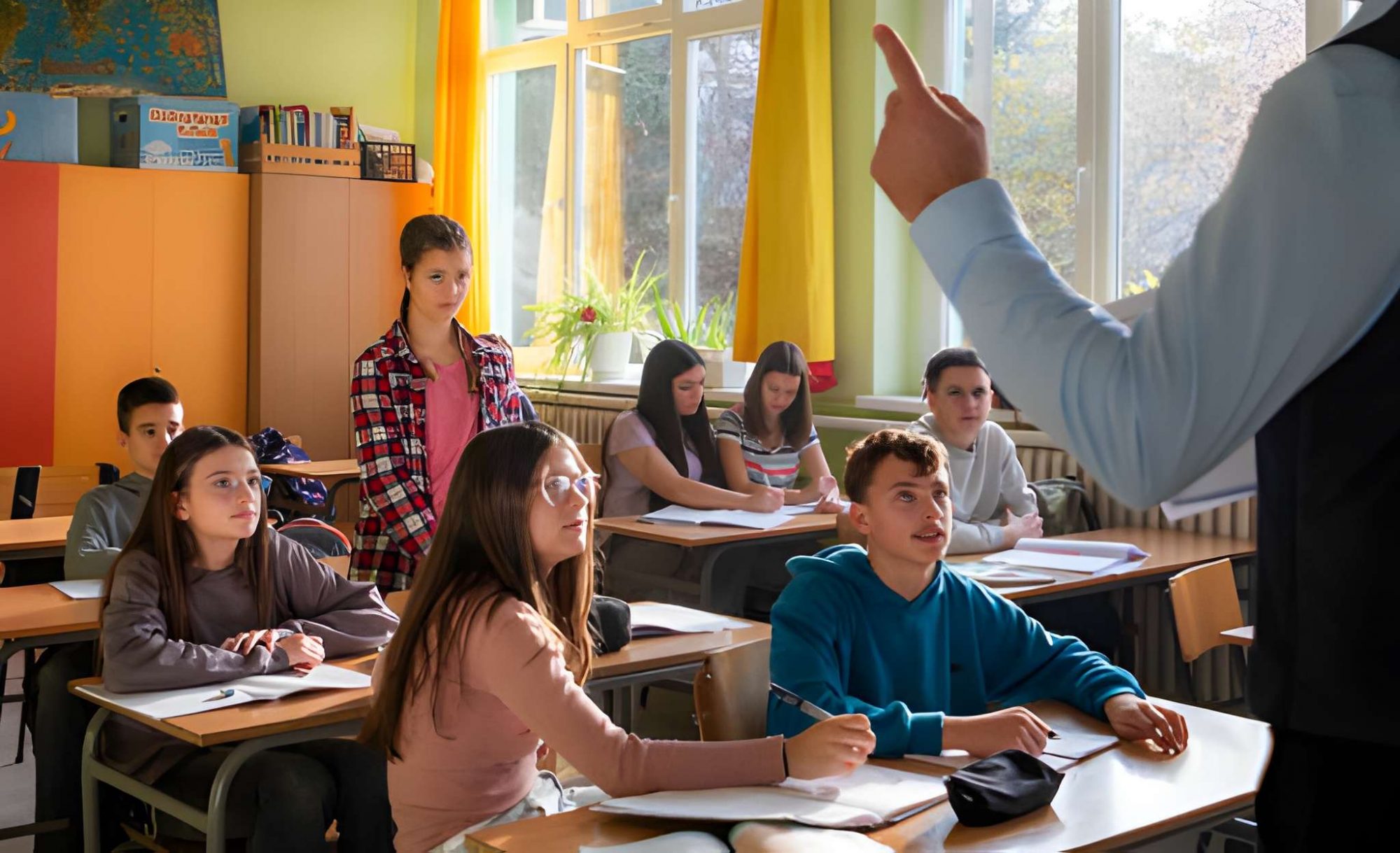
Classroom culture shapes how students feel about learning, themselves, and the people around them. It influences motivation, behavior, and academic growth in powerful ways. Chris Bressi, an education leader known for his student-centered philosophy, believes that reimagining classroom culture is one of the most important steps schools can take to improve outcomes for every learner.
For Chris Bressi, a strong classroom culture is not built on strict rules alone. It is built on trust, respect, and meaningful relationships. When students feel safe, valued, and supported, they are more likely to engage deeply with learning and take responsibility for their growth.
The Foundation of Trust and Belonging
A positive classroom culture begins with trust. Chris Bressi emphasizes that students must feel a sense of belonging before meaningful learning can occur. When students believe their voices matter, they are more willing to participate and take academic risks.
Simple actions such as greeting students by name, listening to their concerns, and encouraging open dialogue help establish trust. Chris encourages teachers to create routines that promote consistency and respect. These routines help students feel secure and confident, which sets the stage for learning.
Belonging also means celebrating diversity. Every student brings unique experiences, perspectives, and strengths to the classroom. Chris Bressi believes inclusive practices that honor these differences create stronger learning communities where students learn from one another.
Shifting From Control to Collaboration
Traditional classroom management often focuses on control and compliance. Chris Bressi challenges this approach by advocating for collaboration and shared responsibility. When students are involved in shaping classroom expectations, they feel a greater sense of ownership.
Collaborative rule-setting, group discussions, and problem-solving activities help students understand why expectations exist. This approach encourages accountability rather than fear of punishment. Chris believes that when students are treated as partners in learning, they are more motivated to contribute positively.
Collaboration also strengthens peer relationships. Group projects and team-based learning help students develop communication and leadership skills while fostering empathy and mutual respect.
Creating a Culture of Growth and Curiosity
Chris Bressi believes classrooms should be places where curiosity is encouraged and mistakes are seen as part of the learning process. A growth-oriented culture helps students build resilience and confidence.
Teachers play a key role in modeling this mindset. By celebrating effort, asking thoughtful questions, and encouraging reflection, educators show students that learning is a journey. Chris encourages teachers to shift focus from grades alone to progress and improvement.
When students feel safe making mistakes, they are more willing to explore new ideas and challenge themselves. This openness fuels creativity and deeper understanding.
The Role of Technology in Classroom Culture
Technology can either strengthen or weaken classroom culture depending on how it is used. Chris Bressi believes digital tools should enhance connection rather than replace human interaction.
Online discussion boards, collaborative documents, and digital portfolios allow students to share ideas and reflect on their learning. These tools give quieter students a voice and encourage participation from everyone.
Technology also supports personalized learning, which helps students feel understood and supported. When instruction meets individual needs, students feel more engaged and respected. Chris emphasizes that technology should always be guided by thoughtful teaching and strong relationships.
Supporting Social and Emotional Learning
Academic success is closely tied to emotional well-being. Chris Bressi advocates for integrating social and emotional learning into daily classroom life. Skills such as self-awareness, empathy, and emotional regulation help students navigate challenges both in and out of school.
Activities like journaling, mindfulness exercises, and group check-ins create space for emotional expression. These practices help students build confidence and resilience. Chris believes that addressing emotional needs strengthens classroom culture and improves academic outcomes.
Empowering Teachers to Lead Culture Change
Reimagining classroom culture requires support for teachers. Chris Bressi encourages schools to invest in professional development that focuses on relationship-building, inclusive practices, and reflective teaching.
When teachers feel empowered and supported, they are more likely to create positive learning environments. Collaboration among educators also plays an important role. Sharing experiences, strategies, and successes helps build consistent and effective classroom cultures across schools.
A Culture That Inspires Lifelong Learning
Chris Bressi’s insights remind us that classroom culture is not a static concept. It evolves with the needs of students and the world around them. By prioritizing trust, collaboration, curiosity, and compassion, educators can create environments where students thrive.
Reimagining classroom culture is about more than improving behavior or test scores. It is about shaping experiences that help students grow into confident, curious, and capable individuals. Through thoughtful leadership and a commitment to human-centered education, Chris Bressi continues to inspire classrooms that truly make a difference.