How Chris Bressi Helps Organizations Build Better Training Programs

How Chris Bressi Helps Organizations Build Better Training Programs

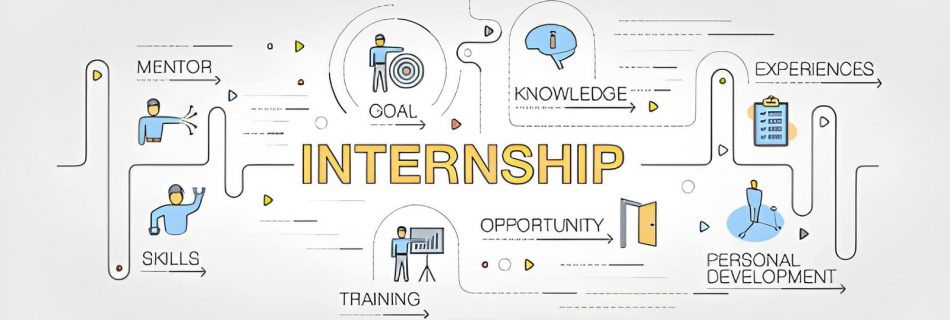
Organizations succeed when their people continue to learn and grow. In today’s fast-changing workplace, employee training is no longer a one-time event. Businesses, schools, and nonprofit organizations need training programs that develop skills, improve performance, and prepare teams for future challenges. Chris Bressi believes that successful training programs focus on people first. While technology can improve learning, the most effective programs combine clear objectives, engaging content, practical experience, and continuous improvement. Through this approach, Christopher Bressi highlights how organizations can create learning experiences that produce measurable results. Why Effective Training Matters Every organization depends on knowledgeable and confident employees. However, outdated training programs often fail to keep learners engaged. Effective training helps organizations: When employees receive meaningful training, they feel more confident in their roles and contribute more effectively to organizational success. Start With Clear Learning Goals Every successful training program begins with clear objectives. Organizations should identify the knowledge and skills employees need before creating learning materials. For example, a leadership program may focus on communication, decision-making, and team management. A technology program may emphasize digital skills and software proficiency. Chris Bressi encourages organizations to define measurable goals that align with business priorities. Clear expectations help learners stay focused while making it easier to evaluate training success. Understand Your Audience Not every employee learns in the same way. Some learners prefer hands-on activities, while others learn best through discussions, videos, or written resources. Christopher Bressi believes organizations should understand their audience before designing training programs. Important factors include: When training reflects employee needs, participation and knowledge retention improve. Make Learning Interactive People remember information more effectively when they actively participate. Instead of relying only on presentations, organizations should create interactive learning experiences. Examples include: Interactive learning encourages collaboration and allows employees to apply new knowledge in practical situations. Chris Bressi believes active participation leads to stronger engagement and long-term learning. Use Technology to Enhance Training Technology has transformed workplace learning. Organizations can now deliver training through learning management systems, virtual classrooms, mobile applications, and AI-powered learning platforms. Technology supports training by providing: However, technology should enhance learning rather than replace meaningful instruction. Christopher Bressi emphasizes that digital tools are most effective when they support clearly defined learning objectives. Encourage Continuous Learning Learning should not end after one workshop or online course. Successful organizations create cultures where continuous learning becomes part of everyday work. Employees should have opportunities to: Continuous learning helps organizations remain competitive while supporting employee growth. Provide Immediate Feedback Feedback helps learners understand their progress and improve performance. Organizations should provide regular feedback during training instead of waiting until the end of a program. Constructive feedback allows employees to: AI-powered learning platforms can also provide instant feedback through quizzes and assessments, helping learners stay engaged throughout the training process. Measure Training Success Effective training should produce measurable results. Organizations should evaluate training using multiple methods rather than relying only on attendance records. Useful performance indicators include: Chris Bressi believes regular evaluation helps organizations refine training programs and ensure they continue meeting organizational goals. Support Leadership Development Strong leaders help organizations grow. Training programs should prepare current and future leaders by developing communication, collaboration, strategic thinking, and decision-making skills. Leadership training may include: Christopher Bressi recognizes that leadership development strengthens organizational culture while preparing employees for greater responsibilities. Build a Positive Learning Culture Training is most successful when learning becomes part of the organization’s culture. Leaders should encourage curiosity, innovation, and continuous improvement. Organizations can support learning by: A positive learning culture increases motivation and employee satisfaction while helping organizations attract and retain talented professionals. Adapting to Future Workplace Needs Technology, artificial intelligence, and changing business environments continue to reshape the workplace. Organizations must regularly update training programs to reflect new skills and emerging industry trends. Future-ready training should include: Preparing employees for change helps organizations remain competitive in a rapidly evolving world. Building better training programs requires more than creating presentations or online courses. Successful learning experiences begin with clear goals, engaging instruction, personalized learning, and ongoing evaluation. Chris Bressi and Christopher Bressi emphasize that organizations achieve better results when they invest in people, encourage continuous learning, and use technology to enhance not replace human interaction. By creating thoughtful, interactive, and future-focused training programs, organizations can strengthen employee performance, improve productivity, and build a workforce that is prepared for tomorrow’s opportunities.

Why Schools Must Teach Ethical AI Use

Why Schools Must Teach Ethical AI Use

Artificial intelligence is becoming part of everyday life. Students use AI-powered tools for research, homework, writing, and learning new skills. Businesses, healthcare providers, and governments also rely on AI to improve efficiency and solve complex problems. As AI becomes more common, schools have a responsibility to teach students how to use these technologies responsibly. Learning how AI works is important, but understanding how to use it ethically is equally essential. Teaching ethical AI use prepares students to become responsible digital citizens. It also helps them make informed decisions as technology continues to shape the future. What Is Ethical AI Use? Ethical AI use means using artificial intelligence in ways that are fair, honest, responsible, and respectful. Students should understand that AI is a tool. It can support learning, but it should not replace critical thinking, creativity, or personal responsibility. Ethical AI also involves understanding how technology affects individuals, communities, and society. When students learn these principles early, they are better prepared to use AI wisely throughout their lives. Why Ethics Matter in the Age of AI Artificial intelligence can process large amounts of information quickly. However, AI systems are not perfect. They can produce inaccurate answers, reflect bias in data, or generate misleading information. Without proper guidance, students may assume that AI always provides correct responses. Schools must teach students to question information, verify sources, and think critically before accepting AI-generated content. Developing these habits encourages responsible learning and better decision-making. Teaching Students to Think Critically One of the most valuable skills schools can develop is critical thinking. Instead of accepting every AI-generated answer, students should learn to ask important questions, such as: These questions help students evaluate information rather than simply relying on technology. Critical thinking remains a uniquely human skill that AI cannot replace. Preventing Academic Dishonesty AI writing tools and homework assistants make learning easier. However, they also create new challenges for schools. Some students may copy AI-generated content without understanding the material. Others may submit AI-produced assignments as their own work. Schools should clearly explain the difference between using AI as a learning assistant and using it to cheat. Students should understand that AI can help them brainstorm ideas, explain concepts, or improve writing, but original thinking and honest effort remain essential. Teaching academic integrity helps students develop responsibility and pride in their own work. Understanding Bias in Artificial Intelligence Artificial intelligence learns from existing data. If the data contains errors or bias, AI systems may produce unfair or inaccurate results. Students should understand that AI does not always make neutral decisions. By learning about bias, students become more aware of the importance of fairness, diversity, and responsible technology development. These discussions also encourage empathy and respect for different perspectives. Protecting Privacy and Personal Information Many AI-powered applications collect user data to improve performance. Students need to understand what personal information should and should not be shared online. Schools should teach basic digital safety practices, including: Learning these habits helps students stay safe in an increasingly digital world. Encouraging Responsible AI Use Artificial intelligence should support learning rather than replace it. Teachers can encourage responsible AI use by showing students how to: Students should also learn when human judgment is more valuable than automated responses. Responsible AI use combines technology with creativity, collaboration, and critical thinking. Preparing Students for Future Careers Many future careers will involve artificial intelligence. Healthcare, engineering, finance, marketing, manufacturing, and education already use AI-powered systems every day. Students who understand ethical AI practices will be better prepared for these workplaces. Employers increasingly value people who can use technology responsibly while making thoughtful and ethical decisions. Teaching AI ethics today helps prepare students for tomorrow’s professional opportunities. Supporting Teachers and Parents Teaching ethical AI use should not happen only in the classroom. Parents also play an important role in helping children understand responsible technology use. Schools can support families by: When schools and families work together, students receive consistent guidance both at school and at home. This partnership strengthens responsible learning habits. Creating a Culture of Digital Responsibility Schools have always prepared students for life beyond the classroom. Today, that responsibility includes preparing students for a world where artificial intelligence is part of daily life. Creating a culture of digital responsibility means encouraging honesty, respect, curiosity, and thoughtful decision-making. Students should feel confident using AI while also understanding its limitations and potential risks. This balanced approach helps learners become responsible users and future innovators. Artificial intelligence is transforming education and many other industries. While students need technical knowledge about AI, they also need strong ethical foundations. Schools must teach students how to evaluate AI-generated information, protect privacy, avoid academic dishonesty, recognize bias, and use technology responsibly. By combining digital literacy with ethical decision-making, educators can prepare students to thrive in an AI-driven world. The future will belong to individuals who can use artificial intelligence wisely while maintaining creativity, integrity, and human judgment. Teaching ethical AI use today ensures students are ready to shape a smarter, more responsible future.

How AI Is Transforming Modern Education

How AI Is Transforming Modern Education

Artificial Intelligence, commonly known as AI, is rapidly transforming the way students learn and teachers educate. Schools around the world are adopting advanced digital tools to improve learning experiences, personalize education, and help students develop future-ready skills. From smart learning platforms to virtual tutors, AI is creating new opportunities for both students and educators. Educational leaders such as Chris Bressi understand that innovation in education plays an important role in preparing students for a fast-changing world. As technology continues evolving, schools must adapt to ensure students gain the knowledge and digital skills needed for long-term success. The rise of AI is not replacing education. Instead, it is reshaping how learning happens and making classrooms more flexible, engaging, and personalized. What Is Artificial Intelligence in Education? Artificial Intelligence in education refers to technology systems that can perform tasks that usually require human intelligence. These systems analyze data, recognize learning patterns, provide recommendations, and support students through adaptive learning experiences. AI-powered educational tools can personalize lessons, identify learning challenges, and help teachers better understand student performance. For example, many platforms now recommend customized lessons based on student progress. If a student struggles with a topic, the system can provide extra practice and support. This personalized approach makes education more effective and student-centered. Personalized Learning Through AI One of the biggest advantages of AI in education is personalized learning. Every student learns differently. Some students understand concepts quickly, while others need extra time and support. Traditional classrooms sometimes struggle to meet the needs of every learner at once. AI tools help solve this challenge by adapting lessons based on student progress and performance. Students can move at their own pace, revisit difficult lessons, and receive targeted recommendations. Educational perspectives often supported by Christopher Bressi emphasize the importance of helping students learn in ways that fit their individual strengths and needs. Helping Teachers Save Time Teachers play a major role in student success. However, many educators spend countless hours grading assignments, organizing lesson plans, and managing classroom tasks. AI tools can help reduce administrative workloads. Automated grading systems, attendance tracking, and educational analytics allow teachers to spend more time focusing on students rather than paperwork. When educators have more time for student engagement, classrooms often become more productive and supportive. This balance between technology and human connection remains an important part of modern education. Improving Student Engagement Student engagement is one of the biggest challenges schools face today. Traditional learning methods may not always capture student attention. However, AI-supported learning tools can make education more interactive. Virtual tutors, gamified learning platforms, simulations, and personalized educational experiences often improve student participation. Students tend to stay more motivated when lessons feel interactive and relevant to their learning styles. Technology-supported engagement helps make education feel more meaningful. AI Supports Better Learning Outcomes AI systems can analyze student performance and identify learning gaps early. For example, if a student repeatedly struggles with math concepts, an AI platform may recommend additional exercises or notify teachers that extra support is needed. This early intervention can help students improve before small struggles become larger academic problems. Schools increasingly use educational data to help students receive personalized attention and stronger academic support. Supporting Students With Different Learning Needs AI technology also improves accessibility in education. Students with different learning needs often benefit from personalized digital tools. Speech-to-text programs, audiobooks, translation software, and adaptive learning systems help make education more inclusive. Technology creates opportunities for more students to participate successfully in learning environments. This inclusive approach helps ensure students receive support that matches their individual abilities. Preparing Students for an AI-Driven Future Technology continues reshaping workplaces around the world. Many future careers will involve digital systems, automation, data analysis, and artificial intelligence. Because of this, schools must help students develop digital literacy and critical thinking skills. Learning how to work with technology responsibly will become increasingly important. Educational professionals and Consultants working in modern education often highlight the importance of preparing students for jobs that may not even exist yet. Students who understand AI and digital tools may feel more prepared for future opportunities. Challenges of AI in Education Although AI offers many benefits, schools must also address challenges. Privacy concerns, data security, screen time, and unequal technology access remain important issues. Schools should ensure technology supports education rather than replacing meaningful teacher-student relationships. AI works best when educators guide students and help them think critically about technology use. Human interaction remains essential for emotional support, communication, and classroom collaboration. The Role of Educational Leadership Strong educational leadership helps schools successfully integrate technology. Professionals like Chris Bressi, known for supporting educational innovation and instructional development, often recognize the importance of balancing technology with meaningful teaching practices. In places such as Downingtown, educational discussions increasingly focus on how schools can better prepare students for future learning and career opportunities. Thoughtful planning and teacher training help schools adopt technology in ways that genuinely benefit students. AI and the Future of Education The future of education will likely involve even more advanced technology. AI may continue improving personalized learning, assessment systems, classroom communication, and educational accessibility. Students may experience more flexible learning environments that combine traditional classrooms with digital tools. However, successful education will always depend on strong teachers, supportive communities, and meaningful relationships. Technology should enhance education rather than replace human guidance. AI is transforming modern education by making learning more personalized, accessible, and engaging. It supports teachers, helps students learn at their own pace, and prepares young learners for future careers. Educational voices such as Christopher Bressi continue highlighting the importance of innovation, student-centered learning, and responsible technology integration. As schools continue evolving, communities, educators, and Consultants must work together to ensure students receive the best possible educational experiences. The future of education is changing quickly, and thoughtful leadership in places like Downingtown will continue shaping how students learn and succeed in the years ahead.

Chris Bressi’s Thoughts on Educational Change and Progress

Chris Bressi’s Thoughts on Educational Change and Progress

Education has always evolved to meet the changing needs of society. From traditional classroom models to modern digital learning environments, schools continue adapting to prepare students for a fast-moving world. Today, educational change is happening more quickly than ever before. Technology, new teaching methods, global connectivity, and shifting workforce demands are influencing how schools support student growth. Educational leaders such as Chris Bressi often emphasize that progress in education requires flexibility, innovation, and a strong commitment to student success. Educational change is not simply about introducing new tools or trends. Instead, it involves creating learning environments that help students develop academically, socially, and emotionally. Understanding how education continues to change can help schools better prepare students for the future. Why Educational Change Matters The world students enter after graduation looks very different from previous generations. Modern careers increasingly require problem-solving, communication, adaptability, creativity, and digital skills. Traditional education models focused mainly on memorization and standardized instruction. While foundational knowledge remains important, schools now recognize the need to prepare students for real-world challenges. Educational progress helps schools remain relevant and responsive to changing social and professional expectations. According to educational perspectives often shared by Chris Bressi, meaningful change should always focus on improving learning experiences and helping students succeed beyond the classroom. The Shift Toward Student-Centered Learning One of the biggest changes in education is the growing focus on student-centered learning. Traditional classrooms often followed a teacher-led model where all students learned in the same way and at the same pace. However, modern education increasingly recognizes that students have different strengths, interests, and learning styles. Student-centered learning gives learners more opportunities to participate actively in their education. Teachers may adapt lessons based on student needs, encourage collaboration, and create personalized learning experiences. This approach often improves engagement and helps students feel more connected to learning. Technology and Digital Transformation Technology has become one of the most visible drivers of educational change. Digital learning platforms, online resources, virtual classrooms, and educational software have transformed how students access information. Technology makes learning more flexible and interactive. Students can now collaborate online, access global educational content, and continue learning beyond classroom walls. At the same time, schools must balance technology with meaningful human interaction and strong teaching practices. Educational voices like Chris Bressi often discuss the importance of using technology thoughtfully to improve education without losing personal connection. Preparing Students for Future Careers Educational progress also involves preparing students for careers that continue evolving. Many jobs today require digital literacy, communication skills, teamwork, and adaptability. Some future careers may not even exist yet. Schools must help students build transferable skills that remain valuable across changing industries. Career readiness programs, project-based learning, internships, and technology education all contribute to future preparation. Helping students understand real-world applications of learning can also increase motivation and engagement. The Importance of Teacher Development Educational progress depends heavily on teachers. As classrooms evolve, educators need support, training, and professional development opportunities to adapt successfully. Teachers play a major role in helping students navigate educational change. They introduce new methods, support emotional development, and create positive learning environments. Professional growth opportunities help educators feel more confident using technology, interactive teaching methods, and student-centered strategies. Schools that invest in teachers often create stronger educational outcomes. Supporting Emotional and Social Growth Modern education increasingly recognizes that student success involves more than academics. Emotional intelligence, communication skills, resilience, and social development have become important parts of education. Students learn best when they feel safe, supported, and confident. Positive school environments encourage collaboration, empathy, and emotional well-being. Educational leaders such as Chris Bressi frequently highlight the value of supporting whole-student development rather than focusing only on grades and test performance. Community Involvement in Education Schools do not succeed alone. Strong educational progress often happens when families, communities, and local organizations work together. Community partnerships create opportunities for mentorship, career exposure, volunteering, and additional student support. When parents remain actively involved in education, students often experience stronger motivation and improved performance. Collaboration between schools and communities helps create more meaningful learning experiences. Challenges That Come With Change Although educational progress offers many benefits, change can also create challenges. Schools may face budget limitations, unequal access to technology, resistance to change, or teacher workload concerns. Not all students have equal learning opportunities, especially when digital resources are limited. Successful educational progress requires thoughtful planning, communication, and long-term support. Change works best when schools focus on practical improvements that genuinely benefit students. Building More Inclusive Learning Environments Educational change also includes making schools more inclusive. Students come from different backgrounds and have different learning needs. Schools increasingly recognize the importance of accessibility, diversity, and personalized support. Inclusive learning environments help students feel respected and supported. Technology, adaptive learning tools, and flexible teaching strategies can make education more accessible for everyone. The Future of Education The future of education will likely continue blending traditional learning with innovation. Hybrid learning, personalized instruction, digital tools, emotional support systems, and collaborative learning environments may become even more common. Schools will continue exploring new ways to improve engagement and prepare students for a changing world. However, successful education will always depend on meaningful relationships, supportive teachers, and strong communities. Educational perspectives such as those shared by Chris Bressi remind us that educational progress should always focus on helping students grow into capable, confident, and responsible individuals. Educational change and progress are essential for preparing students for future opportunities. Schools must continue adapting to evolving technologies, workforce demands, and student needs. By embracing innovation, supporting teachers, encouraging emotional growth, and creating student-centered learning environments, education can continue improving in meaningful ways. As modern education evolves, insights from leaders like Chris Bressi highlight the importance of balancing innovation with strong educational values. Progress in education is not about changing everything. It is about creating better opportunities for every student to succeed.

Chris Bressi on Building Strong Educational Foundations

Chris Bressi on Building Strong Educational Foundations

Building strong educational foundations is essential for long-term student success. A solid foundation not only supports academic achievement but also shapes critical thinking, creativity, and lifelong learning habits. In today’s rapidly evolving world, education must go beyond traditional methods and adapt to modern needs. Educational leaders play a key role in guiding this transformation, and one such leader is Chris Bressi. His perspective on building strong educational foundations focuses on innovation, collaboration, and a student-centered approach that prepares learners for the future. Chris Bressi believes that strong foundations are not created through a single strategy but through a balanced combination of teaching methods, technology integration, and community involvement. His leadership emphasizes the importance of creating environments where students feel supported, engaged, and motivated to learn. Defining Strong Educational Foundations A strong educational foundation is built on more than academic knowledge. It includes essential skills such as critical thinking, communication, problem-solving, and adaptability. Chris Bressi emphasizes that schools must focus on developing the whole student rather than concentrating only on test performance. Foundational learning should encourage curiosity and help students develop a love for learning. When students are engaged and interested in their studies, they are more likely to retain knowledge and apply it effectively. Chris Bressi supports teaching strategies that balance traditional instruction with interactive learning methods. This combination allows students to build core knowledge while also developing the skills needed for future success. Prioritizing Student-Centered Learning One of the key principles in Chris Bressi’s approach is student-centered learning. This method places students at the core of the educational experience, allowing them to actively participate in their learning journey. Instead of relying solely on lectures, student-centered classrooms encourage discussions, group activities, and hands-on projects. These approaches help students understand concepts more deeply and develop independent thinking skills. Chris Bressi believes that when students are actively involved, they take greater ownership of their education. This sense of responsibility strengthens their confidence and encourages them to explore new ideas. Integrating Technology to Support Learning Technology plays a crucial role in building modern educational foundations. Digital tools can enhance learning by providing access to information, enabling collaboration, and supporting personalized education. Chris Bressi advocates for thoughtful technology integration in schools. Rather than using technology for its own sake, he encourages educators to adopt tools that improve learning outcomes. Interactive platforms, digital research tools, and collaborative applications can help students engage with content in new ways. These resources allow learners to explore subjects more deeply and work together on projects. By integrating technology effectively, schools can prepare students for a world where digital skills are increasingly important. Supporting Teachers as Key Contributors Teachers are central to building strong educational foundations. Chris Bressi emphasizes the importance of supporting educators through professional development and access to resources. When teachers are equipped with the right tools and training, they can create engaging and effective learning experiences. Professional development programs help educators stay updated on new teaching strategies and technological advancements. Chris Bressi encourages collaboration among teachers, allowing them to share ideas and learn from one another. This collaborative approach strengthens teaching practices and benefits students. By investing in teachers, schools can ensure that educational foundations remain strong and adaptable. Encouraging Collaboration and Teamwork Collaboration is another important component of strong educational foundations. Chris Bressi believes that students learn more effectively when they work together and share ideas. Group projects, discussions, and collaborative problem-solving activities help students develop communication and teamwork skills. These skills are essential for success in both academic and professional environments. Collaborative learning also exposes students to different perspectives, helping them develop a broader understanding of topics. Chris Bressi supports creating classrooms where cooperation and mutual respect are encouraged. Building Connections with the Community Strong educational foundations extend beyond the classroom. Chris Bressi highlights the importance of community engagement in supporting student learning. Schools that build relationships with parents, local organizations, and community leaders can provide additional resources and opportunities for students. These partnerships can include mentorship programs, workshops, and real-world learning experiences. Community involvement also helps students understand how their education connects to the world around them. This connection makes learning more meaningful and relevant. Chris Bressi’s approach emphasizes that education should be a shared responsibility between schools and communities. Promoting Critical Thinking and Problem Solving In today’s complex world, students need more than basic knowledge. They must develop the ability to think critically and solve problems effectively. Chris Bressi encourages teaching methods that challenge students to analyze information, evaluate different viewpoints, and develop solutions to real-world problems. Project-based learning, debates, and research assignments are examples of strategies that promote critical thinking. These activities encourage students to engage deeply with content and develop independent reasoning skills. By focusing on critical thinking, schools can help students build a strong intellectual foundation that supports future learning. Creating a Positive Learning Environment A positive learning environment is essential for building strong educational foundations. Chris Bressi emphasizes the importance of creating classrooms where students feel safe, respected, and supported. When students feel comfortable, they are more likely to participate actively and take risks in their learning. Positive environments also encourage collaboration and mutual respect among students and teachers. Educators can foster this environment by promoting open communication, recognizing achievements, and supporting diverse learning needs. Chris Bressi’s leadership highlights that emotional and social well-being are just as important as academic success. Preparing Students for Lifelong Learning One of the ultimate goals of education is to prepare students for lifelong learning. Chris Bressi believes that strong educational foundations should equip students with the skills and mindset needed to continue learning throughout their lives. Students who develop curiosity, adaptability, and critical thinking skills are better prepared to navigate changing environments and pursue new opportunities. By encouraging independent learning and exploration, schools can help students build confidence in their ability to learn and grow. Chris Bressi’s approach ensures that education is not limited to the classroom but continues to influence students throughout their lives. Conclusion Building strong educational foundations requires a …

Why Leadership in Education Matters: The Chris Bressi Approach

Why Leadership in Education Matters: The Chris Bressi Approach

Strong leadership is one of the most important factors in building successful schools. While curriculum, technology, and resources matter, it is leadership that shapes culture, drives innovation, and supports both teachers and students. Chris Bressi has emerged as a thoughtful voice in education leadership, offering a people-first approach that balances vision, compassion, and accountability. In a time when schools face rapid change, his leadership philosophy provides a practical and hopeful roadmap for the future of education. The Changing Role of Educational Leadership Education leadership today looks very different than it did even a decade ago. School leaders are no longer just administrators managing schedules and policies. Instead, they are guides who help schools navigate technology, equity, student well-being, and teacher support all at once. Chris Bressi believes that modern leaders must be adaptable and deeply connected to their communities. Rather than leading from a distance, he emphasizes being present, listening actively, and building trust. As a result, leadership becomes less about control and more about collaboration. This shift is essential because schools are complex ecosystems. When leaders understand this complexity, they can make better decisions that benefit everyone involved. Putting People at the Center of Leadership At the heart of the Chris Bressi approach is a simple but powerful idea: people come first. Teachers, students, and families all need to feel valued and supported for a school to thrive. Chris Bressi consistently highlights the importance of empowering educators. When teachers feel trusted and heard, they are more likely to innovate, take risks, and engage students in meaningful ways. Instead of micromanaging, effective leaders provide guidance, resources, and encouragement. Similarly, student voices matter. Bressi encourages leaders to involve students in conversations about learning, school culture, and even problem-solving. This inclusive mindset helps students feel ownership over their education, which leads to stronger engagement and confidence. Leadership That Supports Teaching Excellence Great leadership directly impacts teaching quality. According to Chris Bressi, school leaders should focus on creating conditions where teachers can do their best work. This includes ongoing professional development, time for collaboration, and access to the right tools. However, it also means recognizing the emotional demands of teaching. Leaders who show empathy and understanding build stronger relationships with their staff. Moreover, Bressi advocates for feedback that is constructive rather than punitive. When leaders coach instead of criticize, teachers are more open to growth. Over time, this approach builds a culture of continuous improvement rather than fear or burnout. Guiding Schools Through Change and Innovation Change is unavoidable in education, especially with the rise of digital tools and artificial intelligence. Chris Bressi believes leadership plays a critical role in guiding schools through these transitions responsibly. Rather than adopting new technology for its own sake, he encourages leaders to ask thoughtful questions. How does this tool support learning? Does it respect student privacy? Will it truly help teachers, or add more stress? By taking a strategic and ethical approach, leaders can ensure innovation serves human needs. This balanced mindset allows schools to evolve without losing sight of their core mission. Building a Culture of Trust and Accountability Another key element of the Chris Bressi approach is balancing trust with accountability. Strong leaders set clear expectations while also trusting their teams to meet them. Transparency is essential here. When leaders communicate openly about goals, challenges, and decisions, they earn credibility. Teachers and students are more likely to engage when they understand the purpose behind policies and initiatives. At the same time, accountability is framed as shared responsibility rather than blame. Everyone works toward common goals, and setbacks are treated as opportunities to learn. This mindset strengthens school culture and resilience. Leadership That Advances Equity in Education Equity is a major focus of Chris Bressi’s leadership philosophy. He believes educational leaders must actively work to ensure every student has access to opportunity, support, and high expectations. This means examining policies, practices, and assumptions that may unintentionally create barriers. Leaders must be willing to listen to diverse perspectives and make changes when needed. By prioritizing equity, leaders create learning environments where all students feel seen and valued. Over time, this commitment helps close gaps and fosters a stronger sense of belonging. Why Leadership Shapes the Future of Education Leadership sets the tone for everything that happens in a school. When leaders are thoughtful, compassionate, and forward-thinking, the entire community benefits. Chris Bressi’s approach reminds us that effective educational leadership is not about authority alone. It is about relationships, purpose, and vision. By focusing on people, embracing innovation carefully, and committing to equity, leaders can create schools where both educators and students thrive. As education continues to evolve, leadership will remain a defining factor. The Chris Bressi approach offers a clear reminder that when leadership is done well, it becomes a powerful force for lasting, positive change.

Chris Bressi on Building an Inclusive Future for All Learners

Chris Bressi on Building an Inclusive Future for All Learners

In today’s fast-changing world, education is more than just academics. It is about giving every student the opportunity to grow, learn, and succeed, no matter where they come from or what challenges they face. Educator and innovator Chris Bressi believes that building an inclusive future for all learners is not just a goal, but a moral responsibility. His vision is simple yet powerful: create classrooms where every student feels seen, valued, and supported. The Meaning of Inclusive Education Inclusive education goes far beyond accommodating students with different needs. It is about creating an environment where diversity is celebrated and every learner has access to the same quality of education. Chris Bressi defines inclusion as the act of removing barriers that prevent students from participating fully in learning. This can include physical barriers, social biases, or outdated teaching methods that fail to engage all learners. According to Bressi, inclusion means designing education that respects and responds to individual differences. It is not about fitting students into a rigid system, but about reshaping the system to fit the students. Every child learns differently, and recognizing this diversity is the first step toward a fair and empowering educational experience. Why Inclusion Matters An inclusive classroom benefits everyone, not just students with learning challenges. When teachers encourage collaboration, empathy, and respect, all students grow as individuals. Chris Bressi emphasizes that inclusive learning environments teach essential life skills such as understanding, patience, and teamwork qualities that are vital beyond school walls. Research has shown that inclusion improves academic outcomes, social development, and overall well-being. Students who feel accepted and supported are more motivated to learn. They participate more actively, ask more questions, and develop confidence in their abilities. Bressi believes that when inclusion becomes the foundation of education, schools transform into communities where every student has a voice. Creating Equal Opportunities Through Technology Technology has become one of the most powerful tools for promoting inclusion. Chris Bressi advocates for using technology to bridge gaps in learning and provide equal opportunities for all students. Digital tools, adaptive software, and AI-based systems can personalize education in ways that were once impossible. For instance, text-to-speech applications can support students with reading difficulties, while translation tools can help non-native speakers understand lessons in real time. Visual learning apps can aid students who grasp information better through imagery. Technology enables teachers to adapt lessons for individual learning styles without leaving anyone behind. However, Bressi also warns that technology should never replace human connection. Teachers remain the heart of education. Technology, when used thoughtfully, enhances their ability to reach every learner. It allows educators to spend less time on routine tasks and more time building relationships, mentoring, and inspiring their students. The Role of Teachers in Inclusive Classrooms Teachers are the backbone of inclusive education. Chris Bressi believes that empowering teachers with the right mindset and resources is key to creating lasting change. Inclusive teaching begins with understanding that every student brings unique strengths and challenges to the classroom. To achieve this, educators must adopt flexible teaching strategies. Instead of delivering a single lesson plan to everyone, they can use differentiated instruction offering multiple ways for students to engage with and demonstrate their understanding. Some students may prefer hands-on projects, while others may thrive through group discussions or digital activities. The goal is to make learning meaningful and accessible to all. Bressi also emphasizes the importance of professional development. Teachers should receive ongoing training in inclusive practices, cultural awareness, and new technologies that support diverse learners. When teachers feel confident and equipped, they can create environments where inclusion becomes a daily reality rather than an abstract concept. Fostering Emotional and Social Inclusion Inclusion is not only about academics, it is also about emotional well-being. Chris Bressi often speaks about the importance of emotional intelligence and social connection in learning. Students perform best when they feel safe, respected, and understood. Building trust between teachers and students helps create this foundation. A classroom that values kindness, empathy, and mutual respect encourages students to support each other. When learners from different backgrounds collaborate, they begin to appreciate different perspectives. This not only improves learning outcomes but also builds compassion and understanding that extend beyond school. Bressi envisions schools as safe spaces where students can express themselves freely and make mistakes without fear of judgment. In such environments, learning becomes an exciting journey rather than a source of stress. Building a Culture of Belonging For Chris Bressi, inclusion is not a single program, it is a culture. It is something that must be woven into every aspect of education, from curriculum design to classroom management. Schools that value inclusion prioritize open communication, collaboration, and respect for diversity. This culture of belonging extends to families and communities as well. Parents, educators, and local organizations can work together to support students’ needs. When the whole community becomes part of the educational process, students receive the encouragement and stability they need to thrive. Bressi also encourages schools to celebrate diversity openly. Whether through multicultural events, inclusive literature, or representation in classroom materials, showing students that their identities matter reinforces self-worth and belonging. Challenges and the Path Forward Creating inclusive schools is not without challenges. Limited resources, outdated infrastructure, and lack of training can make progress difficult. Chris Bressi acknowledges these barriers but believes that change is possible with collective effort and commitment. Even small steps, like using accessible materials, promoting peer collaboration, or offering extra support to struggling learners, can make a big impact. The journey toward inclusion requires patience and persistence. Schools must continuously evaluate their practices, listen to students’ feedback, and adapt to meet new needs. Bressi’s philosophy is that inclusion is a process, not a destination. It evolves as society evolves. A Future Where Every Learner Matters Chris Bressi’s vision for an inclusive future is both inspiring and practical. He imagines classrooms where every student, regardless of background, ability, or circumstance, has the chance to shine. His approach combines empathy, innovation, and leadership to …

Designing Curriculum Around Students – Chris Bressi’s Way

Designing Curriculum Around Students – Chris Bressi’s Way

In the ever-evolving world of education, one concept remains central to impactful learning: student-centered curriculum design. Among the leading voices in this transformative approach is Chris Bressi, an innovative educator and consultant based in Downingtown, Pennsylvania. Through decades of dedication, Bressi has reshaped how curriculum development is approached—putting student needs, interests, and real-world relevance at the heart of the learning process. This blog explores Chris Bressi’s philosophy, methods, and impact on curriculum design, offering practical insights for educators and institutions striving to build more responsive, engaging learning environments. Understanding Student-Centered Curriculum Design Before diving into Bressi’s approach, it’s important to understand what student-centered curriculum actually means. Unlike traditional models that prioritize standardized content delivery, student-centered design focuses on: This model sees students not as passive recipients of knowledge but as active partners in their educational journey. Chris Bressi takes this one step further by weaving in modern technology, community relevance, and teacher empowerment to elevate the entire learning experience. Chris Bressi’s Educational Philosophy At the core of Bressi’s work is a simple belief: students learn best when they feel heard, challenged, and supported. He emphasizes: Bressi believes that by designing curriculum that aligns with students’ natural curiosity and real-life contexts, educators can unlock potential that often remains untapped in rigid, outdated systems. “Education isn’t about fitting students into a mold; it’s about giving them the tools and freedom to shape their own path,” says Bressi. Key Pillars of Chris Bressi’s Curriculum Design Approach 1. Personalization with Purpose Bressi champions differentiated instruction and learner profiles. His model encourages teachers to get to know students’: Using this data, educators can customize units, assignments, and even classroom routines to support individual growth. 2. Real-World Relevance Curriculum under Bressi’s direction always asks: “Why does this matter to students?” He integrates: This creates a purpose-driven learning experience that fuels motivation and accountability. 3. Technology as a Bridge, Not a Crutch Bressi is not just pro-technology—he’s strategic about how it’s used. His curriculum integrates: But he emphasizes that tech is a tool, not the goal. “We’re not teaching software. We’re teaching thinking, creativity, and problem-solving through software,” he explains. Empowering Teachers to Empower Students Chris Bressi understands that no curriculum can succeed without teacher buy-in and confidence. That’s why his method includes comprehensive support for educators, such as: By helping teachers understand the “why” and “how” of student-centered learning, Chris Bressi equips them to become curriculum designers rather than just curriculum deliverers. Examples of Bressi’s Model in Action 📘 Middle School Science: Water Quality Project Instead of reading from a textbook about pollution, students: This approach not only covers state standards but also builds civic engagement, research skills, and confidence. 🎓 High School English: Student-Curated Anthologies Students choose literary themes meaningful to them (e.g., identity, resilience) and build custom anthologies with: Bressi’s guidance helps teachers frame standards around student voice and ownership, making the curriculum both rigorous and relevant. Measuring Success Differently Chris Bressi’s approach doesn’t solely rely on standardized testing. His curriculum includes: These methods provide a more holistic picture of growth, helping students see learning as a continuous, evolving process. Adapting for the Future With the rise of AI, hybrid classrooms, and global challenges, Bressi’s student-centered model continues to adapt. He encourages schools to: By doing so, educators can future-proof learning, ensuring students leave school not just with facts but with skills to thrive. Final Thoughts In a world where traditional education often lags behind real-world needs, Chris Bressi’s curriculum design philosophy offers a refreshing and effective path forward. His emphasis on student agency, educator support, and technological integration makes him a standout voice in modern education reform. Whether you’re a classroom teacher, school leader, or education consultant, embracing a student-centered approach—Bressi’s way—can redefine what success looks like in your learning environment. “When students feel seen, supported, and inspired,” Chris Bressi notes, “education becomes not just effective, but transformative.”

Chris Bressi on the Future of Digital Education

Chris Bressi on the Future of Digital Education

In a world rapidly transformed by technology, education is undergoing a revolution unlike anything seen before. At the forefront of this transformation is Chris Bressi, a visionary education consultant based in Downingtown, PA. With decades of experience in integrating technology into learning environments, Chris Bressi has become a trusted leader in helping schools, educators, and administrators embrace the future of digital education. The Digital Shift in Education Digital education is more than just uploading textbooks online or conducting Zoom classes. It represents a paradigm shift in how students learn, how teachers teach, and how education systems operate. Chris Bressi has long recognized this shift and has been a proactive advocate for adopting digital tools to improve the quality and accessibility of education. “The classroom of the future isn’t confined by four walls,” Bressi says. “It’s dynamic, personalized, and accessible to every student, regardless of geography or background.” Personalized Learning through Technology One of the most promising aspects of digital education is the ability to offer personalized learning experiences. Traditional education often takes a one-size-fits-all approach, but digital platforms can adapt to each student’s learning pace, style, and interests. Chris Bressi emphasizes the importance of using AI-driven platforms and data analytics to monitor student progress and tailor lesson plans accordingly. This level of customization not only enhances understanding but also boosts student confidence and motivation. Breaking Down Barriers to Education Digital tools can remove barriers that have historically prevented students from receiving a quality education. Whether it’s geography, disability, or financial constraints, online learning platforms offer flexibility and resources that level the playing field. Bressi believes that education should be inclusive and equitable. “Technology gives us the opportunity to reach learners who were previously left behind. It’s our responsibility to use it wisely,” he states. The Role of Educators in the Digital Age While technology is a powerful tool, Chris Bressi is quick to point out that it does not replace the role of educators. Instead, it empowers them. In the future of digital education, teachers will act more as facilitators and mentors, guiding students through personalized learning paths and helping them develop critical thinking skills. Professional development and ongoing training are crucial to ensure that teachers are equipped to use new technologies effectively. Bressi has worked with numerous school districts to implement training programs that build tech-savvy educators who are confident in navigating digital platforms. Virtual Reality and Immersive Learning One area that excites Chris Bressi is the use of virtual reality (VR) and augmented reality (AR) in classrooms. These tools can transform traditional lessons into immersive experiences, allowing students to explore historical events, scientific phenomena, and global cultures firsthand. “VR and AR bring a level of engagement that’s hard to achieve through traditional methods,” Bressi explains. “They turn abstract concepts into tangible experiences.” Data-Driven Decisions for Better Outcomes Data plays a critical role in shaping the future of digital education. Chris Bressi advocates for the responsible use of data analytics to inform curriculum decisions, identify at-risk students, and measure the effectiveness of teaching strategies. With real-time data, educators and administrators can make informed decisions that enhance learning outcomes and allocate resources more efficiently. Challenges and Opportunities Despite its many benefits, the transition to digital education comes with challenges. Issues such as internet access, data privacy, and screen fatigue must be addressed. Chris Bressi acknowledges these hurdles but remains optimistic. “Every innovation has growing pains,” he says. “The key is to stay focused on the bigger picture—creating a more effective and inclusive education system.” Bressi encourages schools and policymakers to invest in infrastructure, provide tech support for students and families, and establish guidelines for healthy screen time. The Path Ahead Looking ahead, Chris Bressi envisions a blended learning environment where traditional and digital methods coexist harmoniously. He believes that the future of education lies in adaptability, collaboration, and a willingness to embrace change. “We have an incredible opportunity to reshape education for generations to come,” Bressi concludes. “Let’s build systems that nurture curiosity, creativity, and lifelong learning.” As digital education continues to evolve, thought leaders like Chris Bressi play a crucial role in guiding the transformation. Through his consulting work, advocacy, and passion for innovation, Bressi is helping shape a brighter, more connected future for students everywhere.

Chris Bressi on the Benefits of Cloud-Based Education

Chris Bressi on the Benefits of Cloud-Based Education

In the ever-evolving landscape of education, technology continues to redefine how students learn and how educators teach. One of the most transformative advancements in recent years is cloud-based education. By leveraging the power of the cloud, educational institutions can offer flexible, accessible, and efficient learning experiences. Chris Bressi, a leading education consultant and technology advocate, has been at the forefront of this movement. His work in Downingtown and beyond has demonstrated how cloud solutions can revolutionize classrooms and empower both students and educators. In this blog post, we explore how Chris Bressi is championing cloud-based education and examine the many benefits it brings to the future of learning. What is Cloud-Based Education? Cloud-based education refers to the delivery of educational content, resources, and tools via cloud computing platforms. Instead of relying on physical infrastructure or local servers, educational materials are hosted on the internet, allowing for real-time access from anywhere in the world. Key components include: Chris Bressi emphasizes that cloud-based education is more than just a digital convenience—it’s a paradigm shift in how we think about accessibility, personalization, and collaboration. Benefits of Cloud-Based Education 1. Anywhere, Anytime Learning One of the most obvious advantages of cloud-based education is its flexibility. Students can access coursework, assignments, and resources from any location with internet access. This is especially beneficial for: Chris Bressi highlights this flexibility as a game-changer for inclusive education. “Cloud-based learning removes the physical barriers to education,” says Bressi. “It allows every student, regardless of location, to engage with content and collaborate with peers.” 2. Real-Time Collaboration With cloud-based tools, students and teachers can collaborate in real time. Documents, spreadsheets, and presentations can be edited simultaneously, promoting active engagement and teamwork. Chris Bressi encourages educators to embrace this collaborative model. He often works with schools to integrate tools like Google Workspace and Microsoft 365 into their curriculum, enabling dynamic, real-time learning environments. 3. Cost-Effectiveness Cloud-based education significantly reduces the need for costly physical resources. Schools no longer have to invest in expensive infrastructure, textbooks, or hardware. With cloud services, updates and maintenance are handled by the provider, resulting in lower IT costs. According to Chris Bressi, this makes cloud-based solutions particularly appealing to budget-conscious schools and institutions. “You get more with less,” he explains. “You’re maximizing educational value while minimizing overhead.” 4. Scalability As educational needs grow, cloud-based systems can scale to accommodate more students, teachers, and content without requiring major upgrades or changes. Chris Bressi notes, “Scalability is essential for modern education. Cloud platforms grow with you, whether you’re adding a few students or expanding to a new region.” 5. Personalized Learning Paths One of the most powerful aspects of cloud-based education is the ability to offer personalized learning experiences. With adaptive learning technologies and AI-powered tools, educators can create customized content based on each student’s learning style, pace, and progress. Chris Bressi believes that personalization is key to student success. “When students feel seen and supported in their learning journey, they’re more likely to thrive,” he explains. 6. Enhanced Security and Data Management Modern cloud platforms include robust security features such as encryption, multi-factor authentication, and automatic backups. This ensures that student data and educational content remain safe and protected. Chris works closely with schools to choose secure, compliant cloud solutions, ensuring that privacy standards like FERPA and GDPR are met. 7. Streamlined Administrative Tasks Cloud-based systems simplify many administrative processes, from grading and attendance to communication and reporting. Educators can focus more on teaching and less on paperwork. Chris Bressi helps schools implement tools that automate routine tasks, allowing teachers to allocate their time more efficiently and effectively. 8. Continuous Professional Development for Teachers Cloud-based platforms also provide educators with access to online training resources, webinars, and professional communities. This empowers teachers to stay updated on best practices and emerging technologies. Chris encourages lifelong learning among educators and provides consulting services that support ongoing teacher development. Real-World Applications of Cloud-Based Education Case Study: Downingtown Schools In Downingtown, PA, Chris Bressi has worked with multiple schools to transition from traditional classroom setups to cloud-based environments. By introducing Google Workspace and a centralized LMS, these schools experienced: Global Learning Opportunities With cloud-based tools, students can now connect with peers and educators across the globe. Virtual exchange programs, online classes, and international collaborations are now more accessible than ever. Chris Bressi advocates for global connectivity in education. “We’re preparing students not just for local opportunities, but for a global future,” he says. Challenges and How Chris Bressi Addresses Them While the benefits of cloud-based education are substantial, there are still challenges to overcome: 1. Digital Divide Not all students have equal access to reliable internet or devices. Chris Bressi promotes the use of offline capabilities and partnerships with local organizations to bridge this gap. 2. Technology Adoption Some educators may resist the shift to digital tools due to lack of familiarity. Chris offers training and support to help teachers confidently adopt new technologies. 3. Data Privacy Concerns Chris ensures that schools choose platforms with transparent data policies and provides guidance on implementing best practices for data protection. The Future of Cloud-Based Education The future is bright for cloud-based learning. As technology continues to advance, we can expect: Chris Bressi continues to lead the way, helping schools and educators stay ahead of the curve. He envisions a future where cloud-based education is the standard, offering equal opportunities to students regardless of background. Conclusion Cloud-based education is transforming how we teach, learn, and collaborate. With its scalability, cost-efficiency, and flexibility, it offers a powerful solution to many of the challenges faced by traditional education systems. Through his work as a consultant and thought leader, Chris Bressi is helping schools harness the full potential of the cloud. His passion for innovation and dedication to student success make him a driving force in the educational technology space. As we look to the future, it’s clear that cloud-based education—guided by visionaries like Chris Bressi—will play a central role in preparing the next generation …