Confidence plays an important role in a student’s educational journey. When students believe in their abilities, they are more likely to participate in class, take on challenges, ask questions, and stay motivated during difficult moments. However, many students struggle with self-doubt, fear of failure, or anxiety about academic performance. This is why helping students build confidence has become an important goal in modern education.
Educational leaders such as Chris Bressi often emphasize that successful learning environments should support both academic growth and personal development. Confidence is not something students are simply born with. Instead, schools, teachers, families, and communities can help nurture it through positive learning experiences and supportive environments.
Building confidence in learning can improve academic performance, emotional well-being, and long-term success.
Why Confidence Matters in Education
Students who feel confident are more willing to participate actively in the classroom. They are often more comfortable sharing ideas, answering questions, and exploring new concepts.
In contrast, students who lack confidence may avoid participation, hesitate to try unfamiliar tasks, or fear making mistakes. Over time, this can affect academic growth and reduce motivation.
Confidence helps students develop resilience. When challenges appear, confident learners are more likely to keep trying instead of giving up.
Educational thinkers like Chris Bressi often highlight the importance of creating educational environments where students feel safe to learn, grow, and improve.
Creating a Positive Learning Environment
A supportive classroom environment is one of the most effective ways to build student confidence.
Students perform better when they feel respected, encouraged, and valued. Teachers who create welcoming classrooms help students feel more comfortable participating and expressing themselves.
Positive reinforcement can also make a major difference. Recognizing effort, improvement, and progress encourages students to continue learning.
Small successes often lead to larger confidence over time.
Encouraging Growth Rather Than Perfection
Many students struggle because they fear making mistakes. They may believe that success means always having the correct answer.
However, confidence grows when students understand that mistakes are a normal part of learning.
Teachers can encourage a growth mindset by helping students see challenges as opportunities to improve rather than signs of failure.
Instead of focusing only on results, schools should celebrate effort, persistence, and progress.
Students who understand that growth takes time often become more confident learners.
Helping Students Set Achievable Goals
Goal setting can improve confidence by giving students clear direction and measurable progress.
Large academic goals may feel overwhelming. Therefore, breaking tasks into smaller, achievable steps can help students experience success more regularly.
For example, a student struggling with reading may focus first on improving vocabulary or reading for a few extra minutes each day.
As students reach goals, confidence naturally increases.
Educational voices such as Chris Bressi often support student-centered approaches that encourage progress at an individual pace.
Supporting Student Participation
Students build confidence when they feel comfortable participating in learning activities.
Class discussions, group projects, presentations, and collaborative learning experiences help students practice communication and leadership skills.
Teachers should create opportunities for all students to contribute, not only the most outspoken learners.
Even small participation opportunities can help quieter students become more confident over time.
Supportive feedback also helps students feel encouraged rather than judged.
Using Interactive Learning Methods
Interactive learning can make education feel more engaging and less intimidating.
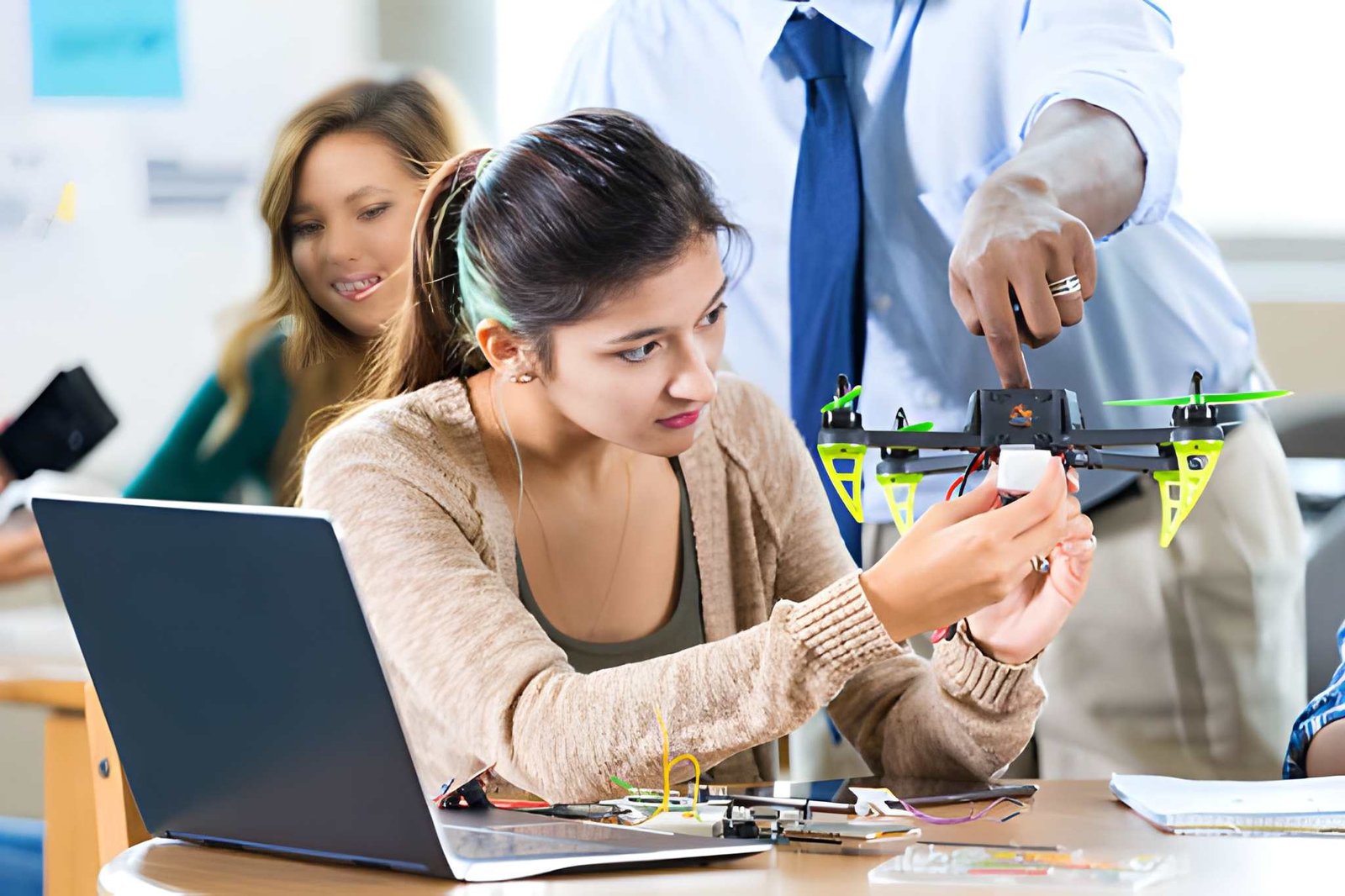
Hands-on activities, technology integration, collaborative projects, and real-world problem-solving encourage students to participate actively.
When students enjoy learning experiences, they often feel more capable and motivated.
Interactive learning also allows students to discover strengths that may not appear in traditional classroom settings.
Educational leaders like Chris Bressi often discuss the value of innovative teaching methods that increase engagement and build confidence.
Helping Students Develop Strong Communication Skills
Confidence often grows when students feel comfortable expressing themselves.
Schools can help by encouraging speaking opportunities, discussions, and teamwork activities.
Communication skills improve when students practice sharing ideas, listening actively, and asking questions.
As students become more confident communicators, they often become more comfortable participating in academic settings as well.
These skills also prepare students for future careers and leadership roles.
Providing Emotional Support
Student confidence is closely connected to emotional well-being.
Stress, anxiety, and fear of failure can reduce motivation and participation. Schools should support emotional health by creating safe, understanding environments.
Teachers and counselors can help students manage challenges through encouragement and open communication.
Students who feel emotionally supported are more likely to believe in their abilities and approach learning with confidence.
Encouraging Independence in Learning
Confidence increases when students develop independence.
Allowing students to make decisions, explore interests, and take responsibility for assignments helps them feel capable and trusted.
Independent learning also teaches problem-solving, responsibility, and resilience.
Students gain confidence when they realize they can overcome challenges without constant assistance.
This preparation is valuable for higher education and future careers.
Celebrating Individual Strengths
Every student learns differently and has unique strengths.
Some students excel academically, while others may succeed through creativity, leadership, teamwork, or practical skills.
Schools should recognize different forms of achievement so students feel valued for their abilities.
Celebrating strengths helps students develop confidence in areas where they naturally perform well.
This positive mindset often encourages growth in other areas too.
The Role of Families in Building Confidence
Families also play an important role in student confidence.
Encouragement at home can reinforce positive learning habits and emotional resilience.
Parents who celebrate effort, support learning goals, and encourage independence often help children feel more confident academically.
Strong communication between schools and families creates a consistent support system for students.
Preparing Students for Future Success
Confidence is important beyond the classroom. Students who believe in themselves are often more willing to pursue opportunities, adapt to challenges, and continue learning.
Confidence supports leadership, teamwork, communication, and decision-making skills that are valuable in professional settings.
Educational perspectives such as those shared by Chris Bressi often highlight that preparing students for the future involves supporting emotional growth alongside academic development.
Helping students build confidence in learning is essential for academic success and personal growth. Confident students are more engaged, resilient, and willing to embrace challenges.
By creating positive environments, encouraging growth mindsets, supporting emotional well-being, and celebrating progress, schools can help students believe in their abilities.
As education continues evolving, insights from educational voices like Chris Bressi remind us that confidence is one of the most valuable tools students can develop for lifelong success.
When students feel capable, supported, and motivated, they are more likely to thrive both inside and outside the classroom.