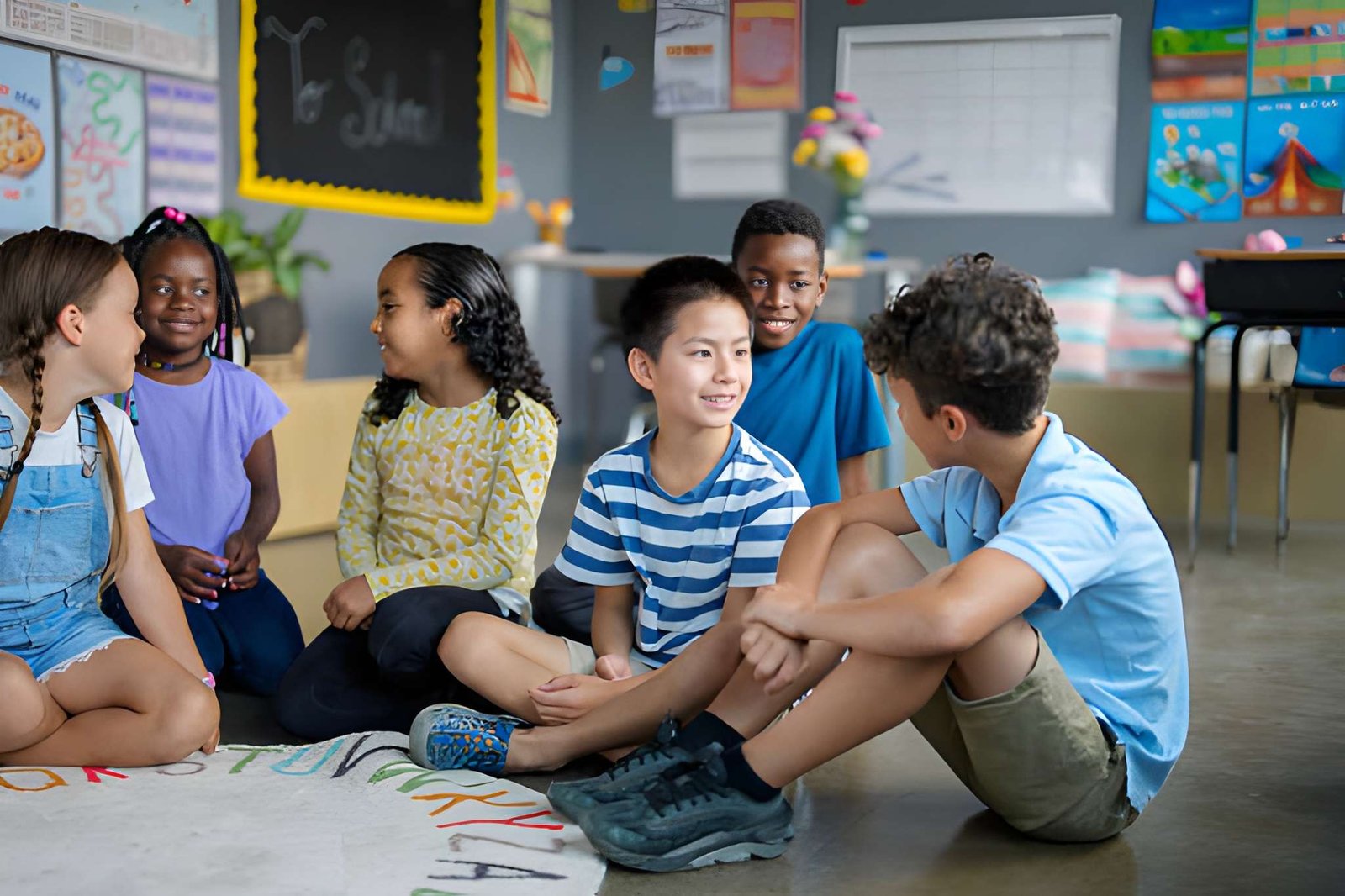
Education has evolved significantly over the years, moving beyond traditional lecture-based instruction toward more engaging and student-focused approaches. One teaching strategy that continues to gain attention is interactive learning. Instead of students passively receiving information, interactive learning encourages active participation through discussions, group activities, hands-on projects, and digital collaboration.
Interactive learning methods create dynamic classroom environments where students become directly involved in the learning process. Educational leaders such as Chris Bressi often emphasize the value of modern teaching strategies that encourage engagement, collaboration, and critical thinking.
As schools continue adapting to changing educational needs, interactive learning offers many benefits for students, teachers, and overall academic success.
What Is Interactive Learning?
Interactive learning is an approach where students actively participate in lessons rather than simply listening to instruction. It can include classroom discussions, educational games, technology-based activities, collaborative projects, simulations, and problem-solving exercises.
This method shifts the focus from teacher-centered instruction to student engagement. Learners become more involved in discovering information, asking questions, and applying concepts in practical ways.
Interactive learning can take place both in physical classrooms and through digital platforms, making it adaptable to different educational settings.
Increases Student Engagement
One of the biggest benefits of interactive learning methods is improved student engagement. Students are more likely to stay focused and interested when they actively participate in lessons.
Traditional lectures can sometimes lead to passive learning where students simply memorize information without fully understanding it. Interactive activities encourage students to think, respond, and contribute.
When learners feel involved, they often become more motivated and enthusiastic about education. This increased participation can lead to stronger academic performance and better classroom experiences.
Improves Knowledge Retention
Students tend to remember information more effectively when they actively engage with it. Interactive learning allows students to apply concepts through discussion, practice, and collaboration.
Hands-on activities, experiments, and problem-solving exercises help learners connect theory with practical understanding. This deeper involvement improves memory retention compared to passive learning methods.
When students participate directly in the learning process, they are more likely to understand and retain information over time.
Encourages Critical Thinking
Interactive learning methods often challenge students to analyze information, solve problems, and think independently. Instead of memorizing answers, students learn how to evaluate situations and develop solutions.
Activities such as debates, case studies, research projects, and group discussions encourage students to explore different perspectives and support their ideas with evidence.
Educational thinkers like Chris Bressi support teaching strategies that develop critical thinking because these skills are essential for future academic and career success.
Strengthens Communication Skills
Interactive classrooms provide students with regular opportunities to communicate with teachers and peers. Group projects, presentations, and classroom discussions help learners practice expressing ideas clearly and confidently.
These experiences improve speaking, listening, and interpersonal communication skills. Students also learn how to ask questions, provide feedback, and participate respectfully in conversations.
Strong communication skills are valuable not only in education but also in professional and personal environments.
Supports Collaboration and Teamwork
Modern workplaces often require teamwork and collaboration. Interactive learning methods prepare students for these environments by encouraging group participation and shared problem-solving.
Collaborative activities teach students how to work with different personalities, divide responsibilities, and achieve common goals. They also help students understand the importance of cooperation and respect.
Learning to collaborate effectively is an important life skill that extends beyond the classroom.
Adapts to Different Learning Styles
Every student learns differently. Some learners respond best to visual materials, while others prefer discussion, movement, or practical experiences.
Interactive learning methods allow teachers to use a variety of instructional techniques that meet different learning needs. Videos, hands-on projects, digital tools, discussions, and creative assignments can all be part of interactive education.
This flexibility helps more students stay engaged and succeed academically.
Makes Learning More Enjoyable
Students are often more motivated when learning feels interesting and enjoyable. Interactive activities can make lessons more exciting by adding creativity, movement, and participation.
Educational games, simulations, and collaborative challenges create positive learning experiences that reduce boredom and encourage curiosity.
When students enjoy learning, they are more likely to participate actively and develop a long-term interest in education.
Encourages Independent Learning
Interactive learning methods often give students more responsibility for their education. Research projects, presentations, and collaborative assignments encourage learners to explore topics independently and contribute ideas.
This approach helps students develop self-confidence, time management skills, and personal responsibility.
Independent learning habits are valuable for higher education and future careers where individuals are expected to take initiative and continue learning throughout life.
Integrates Technology Effectively
Technology can enhance interactive learning when used thoughtfully. Digital tools such as online collaboration platforms, educational apps, interactive quizzes, and multimedia presentations can make lessons more engaging.
Virtual simulations and online discussions also allow students to learn beyond the traditional classroom setting.
Educational leaders like Chris Bressi often highlight the importance of balancing technology with meaningful educational goals to improve learning experiences.
Builds Confidence in Students
Participating in discussions, presentations, and group activities can help students become more confident in their abilities.
Interactive learning creates opportunities for students to share opinions, ask questions, and demonstrate knowledge in supportive environments. Over time, this participation helps reduce fear of speaking or making mistakes.
Confident students are more likely to engage in classroom activities and pursue leadership opportunities.
Supports Real-World Skill Development
Interactive learning methods often reflect real-world situations more closely than traditional lectures. Problem-solving tasks, collaborative projects, and presentations help students develop skills they will use in future careers.
These include communication, teamwork, creativity, adaptability, and decision-making abilities.
Schools that focus on interactive learning better prepare students for modern workplaces and everyday challenges.
Helps Teachers Understand Student Needs
Interactive classrooms allow teachers to observe how students think, communicate, and respond to challenges. This insight helps educators identify strengths, learning gaps, and areas where additional support may be needed.
Teachers can adjust lessons based on student participation and feedback, creating more effective and personalized learning experiences.
This ongoing interaction improves the overall teaching process.
Conclusion
Interactive learning methods offer many important benefits for modern education. They increase engagement, improve knowledge retention, strengthen communication skills, and encourage critical thinking.
By creating active and collaborative classrooms, schools can help students develop the academic and practical skills needed for long-term success. Interactive learning also makes education more flexible, enjoyable, and meaningful.
As education continues to evolve, approaches supported by educational voices like Chris Bressi highlight the importance of student participation and innovation in learning environments.
Schools that embrace interactive learning are better positioned to prepare students for future opportunities in both education and professional life.