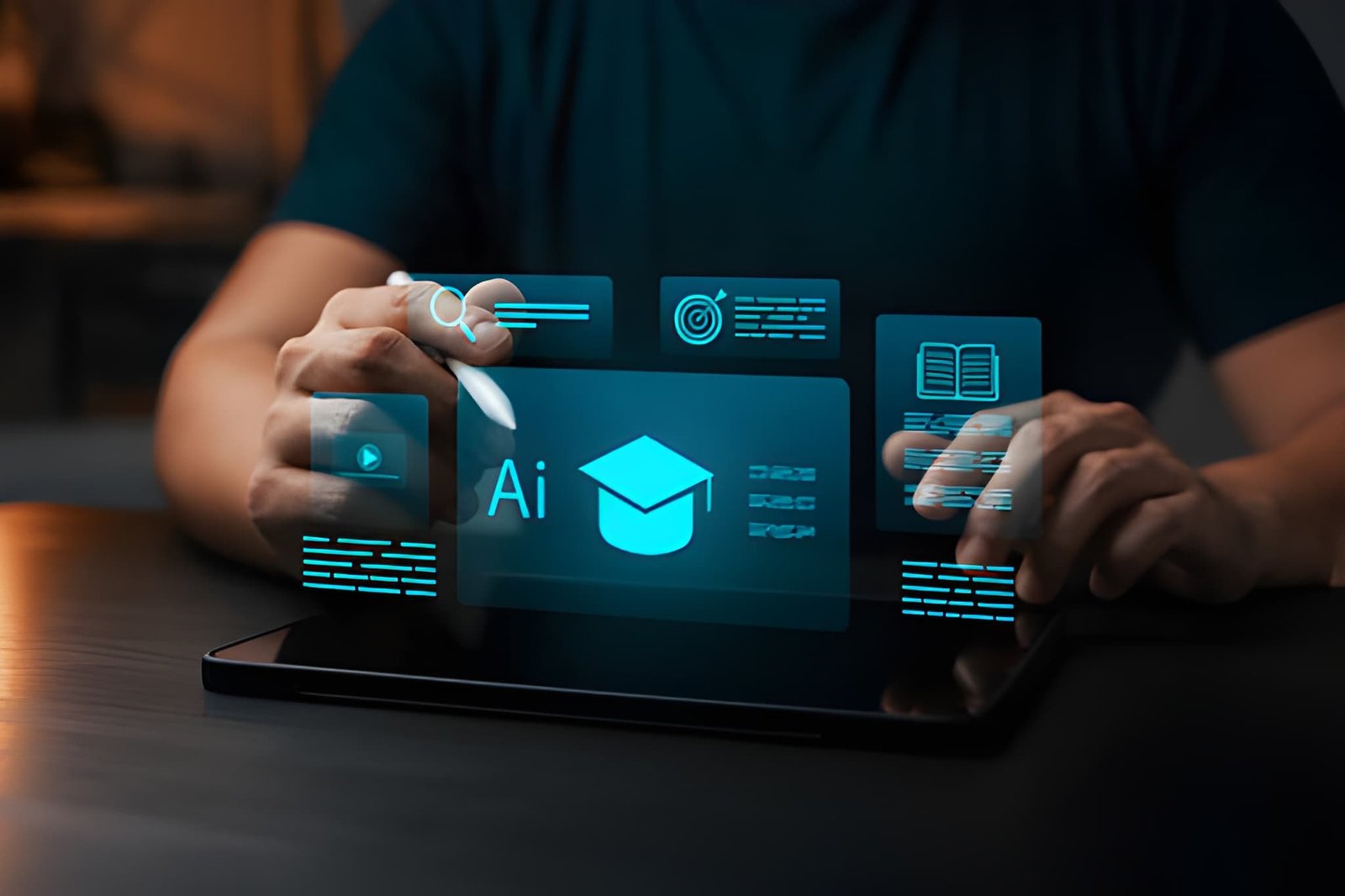
Education is changing rapidly. New technologies are creating better ways for students to learn and for teachers to teach. Among these innovations, artificial intelligence is making one of the biggest impacts.
AI-powered education platforms are becoming increasingly popular in schools, colleges, and homes. These platforms use artificial intelligence to personalize learning experiences, provide instant feedback, and support students with different learning needs.
As education continues to evolve, many educators and parents are discovering the advantages of using AI-powered learning tools. Understanding these benefits can help schools and families make informed decisions about the future of education.
What Are AI-Powered Education Platforms?
AI-powered education platforms are digital learning systems that use artificial intelligence to improve teaching and learning experiences.
Unlike traditional online courses, these platforms can analyze student behavior, track progress, and adjust lessons based on individual performance. They can identify strengths and weaknesses and provide customized recommendations to help students succeed.
Examples of AI-powered learning tools include adaptive learning applications, virtual tutors, educational chatbots, and intelligent assessment systems.
These technologies are designed to make learning more effective, engaging, and accessible for everyone.
Personalized Learning for Every Student
One of the greatest benefits of AI-powered education platforms is personalized learning.
Every student learns differently. Some students understand concepts quickly, while others need additional support. Traditional classrooms often struggle to meet the needs of every learner.
AI platforms solve this problem by adapting lessons to each student’s pace and ability level.
For example, if a student has difficulty understanding a science lesson, the system can offer extra exercises, videos, or explanations. On the other hand, students who master a topic quickly can move on to more advanced material.
As a result, students receive a learning experience that matches their unique needs.
Improved Student Engagement
Keeping students interested in learning can sometimes be challenging. However, AI-powered education platforms include features that encourage active participation.
Many platforms use interactive quizzes, games, animations, and multimedia lessons to make education more enjoyable.
These engaging activities help students stay focused and motivated. Instead of simply reading textbooks, learners can interact with content in meaningful ways.
Moreover, personalized challenges and rewards often increase student confidence and encourage continuous improvement.
When students enjoy learning, they are more likely to remain committed to their educational goals.
Instant Feedback and Better Understanding
Traditional grading methods can take days or even weeks. During this time, students may forget what they learned or continue making the same mistakes.
AI-powered platforms provide instant feedback.
Students immediately know whether their answers are correct or incorrect. If mistakes occur, the platform explains why the answer is wrong and offers suggestions for improvement.
Quick feedback helps students understand difficult concepts faster. It also allows them to correct misunderstandings before they become long-term learning problems.
Consequently, students can improve their performance and gain confidence in their abilities.
Greater Support for Teachers
AI technology is not only beneficial for students. It also supports teachers in many ways.
Educators often spend a significant amount of time grading assignments, preparing lessons, and managing classroom tasks.
AI-powered platforms can automate many routine activities.
For example, teachers can use AI tools to:
- Grade quizzes automatically
- Track student progress
- Create personalized assignments
- Analyze classroom performance data
- Identify students who need extra support
By reducing administrative work, teachers have more time to interact with students and focus on meaningful instruction.
This balance allows educators to provide better guidance and stronger academic support.
Flexible Learning Opportunities
AI-powered education platforms make learning possible anytime and anywhere.
Students can access lessons from home, during travel, or outside regular school hours. This flexibility is especially valuable for families with busy schedules or students who need additional practice.
Online access also allows students to revisit lessons whenever necessary.
If a learner struggles with a topic, they can review videos, complete practice exercises, and repeat lessons until they feel comfortable.
This approach encourages independent learning and helps students take greater responsibility for their education.
Supporting Diverse Learning Needs
Students have different backgrounds, abilities, and learning preferences.
Some students may require visual explanations, while others learn better through listening or hands-on activities.
AI-powered education platforms can accommodate these differences.
Many systems offer various learning formats, including:
- Interactive simulations
- Audio lessons
- Educational videos
- Digital flashcards
- Reading materials
Additionally, AI technology can provide support for students with learning disabilities or language barriers.
By offering multiple ways to learn, these platforms help create more inclusive educational environments.
Data-Driven Insights for Better Results
Another important advantage of AI-powered education platforms is their ability to collect and analyze learning data.
Teachers and parents can monitor student progress through detailed reports and performance dashboards.
These reports often include information such as:
- Completed assignments
- Test scores
- Learning trends
- Areas requiring improvement
- Time spent studying
Having access to this information makes it easier to identify challenges early and provide targeted support.
Parents can also stay informed about their child’s academic growth and participate more actively in the learning process.
Preparing Students for the Future
Technology plays an essential role in today’s world. Students need digital skills to succeed in higher education and future careers.
AI-powered learning platforms expose students to modern technologies and encourage problem-solving, creativity, and critical thinking.
By using intelligent learning tools, students become more comfortable with technology and develop skills that are increasingly valuable in the workplace.
These experiences prepare learners for a future where digital literacy is expected in many industries.
AI-powered education platforms are transforming the way students learn and teachers teach. They provide personalized learning experiences, instant feedback, flexible access, and valuable support for educators.
In addition, these platforms promote engagement, accommodate diverse learning needs, and prepare students for future opportunities.
While technology should never replace the important role of teachers, it can serve as a powerful tool for improving education.
As schools and families continue to embrace innovation, AI-powered education platforms have the potential to create more effective, inclusive, and inspiring learning experiences for students around the world.