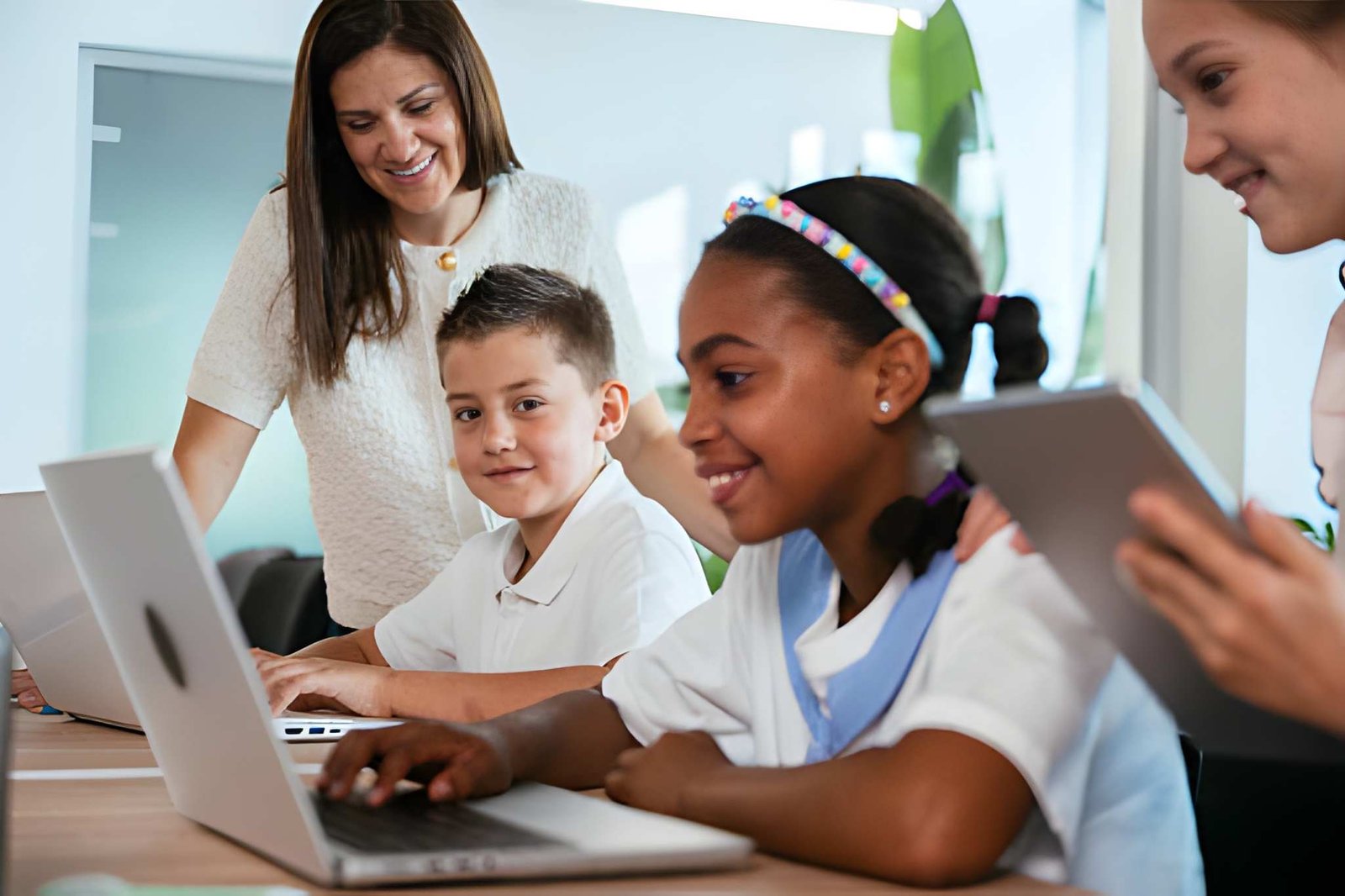
Artificial Intelligence is transforming education in many ways. While much of the discussion focuses on how students benefit from technology, AI is also becoming a valuable support system for teachers. Educators manage many responsibilities beyond classroom instruction, including lesson planning, grading, communication, student assessments, and administrative work. These demands can take significant time and energy.
AI is helping reduce workloads and giving teachers more time to focus on meaningful student interactions. Educational leaders such as Chris Bressi recognize that thoughtful technology integration can improve both teaching experiences and student outcomes. As schools continue evolving, AI tools are becoming important resources that support educators not only inside classrooms but also beyond them.
The role of AI in education is growing, and teachers are increasingly benefiting from its practical applications.
Reducing Administrative Work
Teachers spend a large amount of time on repetitive administrative tasks.
Grading assignments, recording attendance, organizing schedules, and preparing reports often reduce the amount of time teachers can dedicate to instruction.
AI-powered systems can automate many of these responsibilities.
For example, digital grading tools can evaluate quizzes and assignments quickly. Attendance systems can track participation automatically, and educational platforms can organize student progress reports.
When teachers spend less time on administrative work, they often have more energy to support student learning.
Educational voices like Christopher Bressi often support educational innovation that improves efficiency while keeping student success at the center of learning.
Supporting Lesson Planning
Creating lesson plans requires time, research, and organization.
AI tools now help teachers develop classroom materials, suggest educational activities, and recommend resources based on student needs.
Some AI systems analyze curriculum standards and provide ideas for lesson customization.
Teachers can adapt lessons for different learning styles, academic levels, and classroom goals.
This support helps educators create stronger learning experiences while reducing preparation time.
Helping With Personalized Learning
Every student learns differently.
Some students move quickly through lessons, while others need additional support. Managing these differences can be challenging in classrooms with many learners.
AI tools help teachers personalize education more effectively.
Learning platforms can analyze student progress and recommend personalized assignments or practice activities.
Teachers gain better insight into which students may need extra help and which students are ready for advanced challenges.
This data allows educators to make more informed instructional decisions.
Improving Student Assessments
AI tools can also improve assessments.
Teachers often rely on quizzes, assignments, and classroom participation to measure understanding.
AI systems can analyze student performance and identify learning gaps early.
For example, if students struggle with a topic repeatedly, AI may highlight patterns that teachers can address before problems become larger.
Early intervention often improves student confidence and academic performance.
Educational perspectives supported by Chris Bressi frequently emphasize the importance of supporting student growth through thoughtful educational strategies.
Supporting Communication With Families
Teacher communication extends far beyond classroom instruction.
Teachers often communicate with parents through emails, progress updates, newsletters, and learning reports.
AI tools can help simplify communication by generating updates, organizing schedules, and helping teachers respond more efficiently.
Clear communication helps families stay involved in student learning.
When schools and families work together, students often benefit from stronger support systems.
Helping Teachers Save Time
Time management remains one of the biggest challenges teachers face.
Many educators spend hours outside school grading assignments, planning lessons, and responding to emails.
AI tools can save time by automating repetitive tasks.
This efficiency helps teachers focus more on mentoring, relationship-building, and classroom engagement.
Rather than replacing educators, AI works as a support tool that improves productivity.
Many educational Consultants encourage schools to use technology in ways that reduce teacher burnout and improve educational quality.
Supporting Professional Development
AI can also support teacher growth and professional learning.
Teachers need ongoing training to adapt to changing educational practices and technology.
Some AI platforms recommend professional development resources based on teacher interests, classroom challenges, or educational goals.
Teachers can access personalized learning materials, instructional strategies, and classroom improvement ideas.
Professional growth often helps educators feel more confident and prepared.
Assisting With Classroom Management
Managing classroom behavior and participation can be difficult.
AI-powered tools can help teachers monitor student engagement and learning activity.
Educational systems may track assignment completion, participation levels, and attendance trends.
This information helps teachers identify students who may need additional encouragement or support.
Understanding student behavior patterns often leads to better classroom outcomes.
Supporting Inclusive Education
AI helps teachers support students with different learning needs.
Students with language barriers, learning challenges, or accessibility needs may benefit from specialized digital tools.
Speech-to-text programs, translation tools, personalized learning software, and accessibility features help teachers create more inclusive classrooms.
Technology can help ensure students receive support based on their individual needs.
Educational leaders like Christopher Bressi often highlight the value of student-centered learning environments that help every learner succeed.
Reducing Teacher Stress
Teaching is rewarding, but it can also become stressful.
Heavy workloads, administrative responsibilities, and student support demands may contribute to teacher burnout.
AI can reduce pressure by helping teachers manage repetitive work more efficiently.
When educators feel supported, they may experience greater job satisfaction and improved work-life balance.
Healthier teachers often create stronger educational experiences for students.
Challenges of AI in Education
Although AI provides many benefits, schools must use technology carefully.
Privacy concerns, technology access, training needs, and overreliance on automation remain important issues.
Teachers still provide emotional support, mentorship, creativity, and human connection that technology cannot replace.
AI should enhance education, not replace meaningful teacher-student relationships.
Successful implementation depends on thoughtful planning and proper training.
The Future of AI Support for Teachers
The future of education will likely involve more AI support systems for teachers.
Smart planning tools, predictive learning analytics, automated assessments, and classroom support technologies may continue improving.
Schools may increasingly combine human teaching expertise with digital efficiency.
In educational communities such as Downingtown, discussions around innovation continue shaping how schools support both teachers and students.
Educational perspectives shared by Chris Bressi continue highlighting the importance of balancing innovation with meaningful educational experiences.
AI is supporting teachers beyond the classroom by reducing workloads, improving communication, supporting lesson planning, and helping educators personalize student learning.
These tools give teachers more time to focus on what matters most: helping students succeed.
As technology continues evolving, schools, educators, and Consultants must work together to ensure AI improves teaching without replacing human connection.
With thoughtful implementation, AI can become a powerful partner that supports teachers, strengthens classrooms, and improves educational outcomes for everyone.